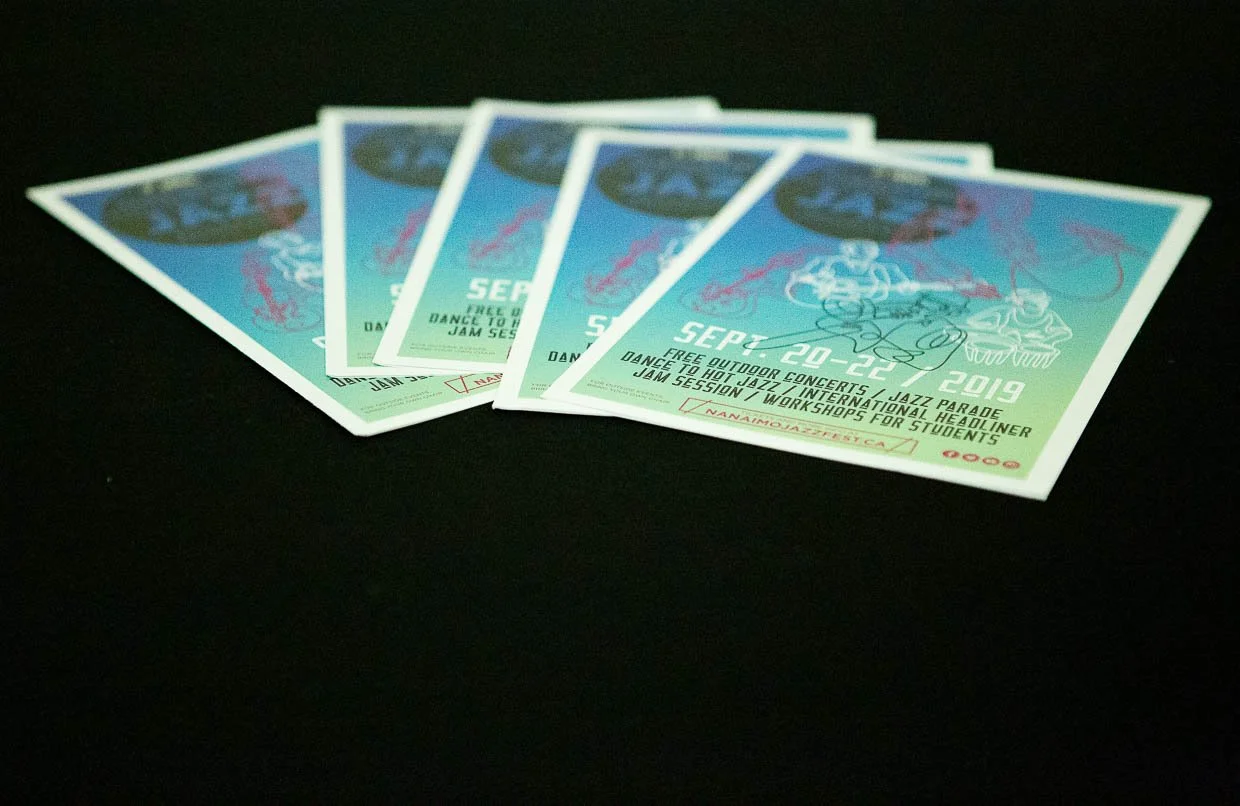
I remember the precise moment I realized that this weekend would not be a mere series of concerts, but an urban mutation. There was this vibration, almost imperceptible, emanating from the asphalt of Commercial Street. As a photographer, one learns to anticipate light, but here, it was the energy that I had to track. For years, bloggers and journalists have described the Nanaimo International Jazz Festival as a hidden gem, but to live it through the lens is to witness the very soul of the island in motion.
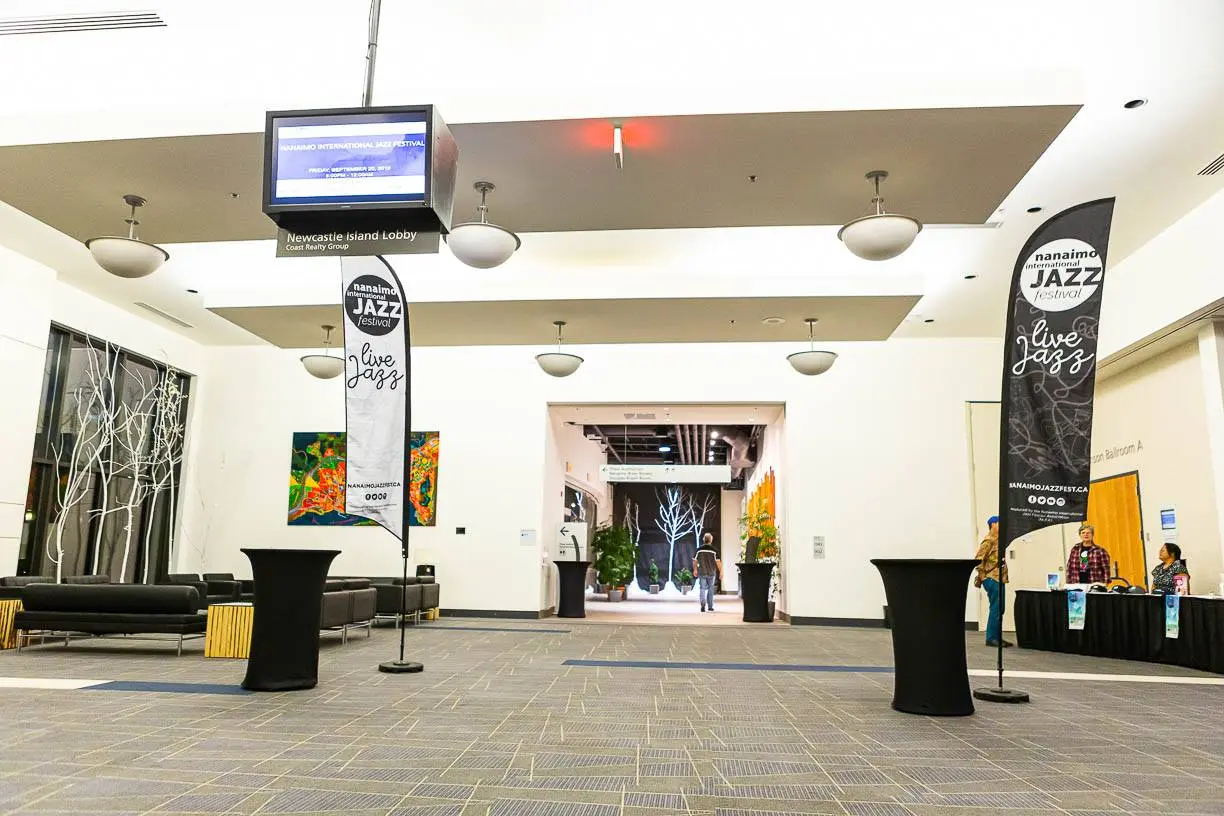
The Threshold Crossing
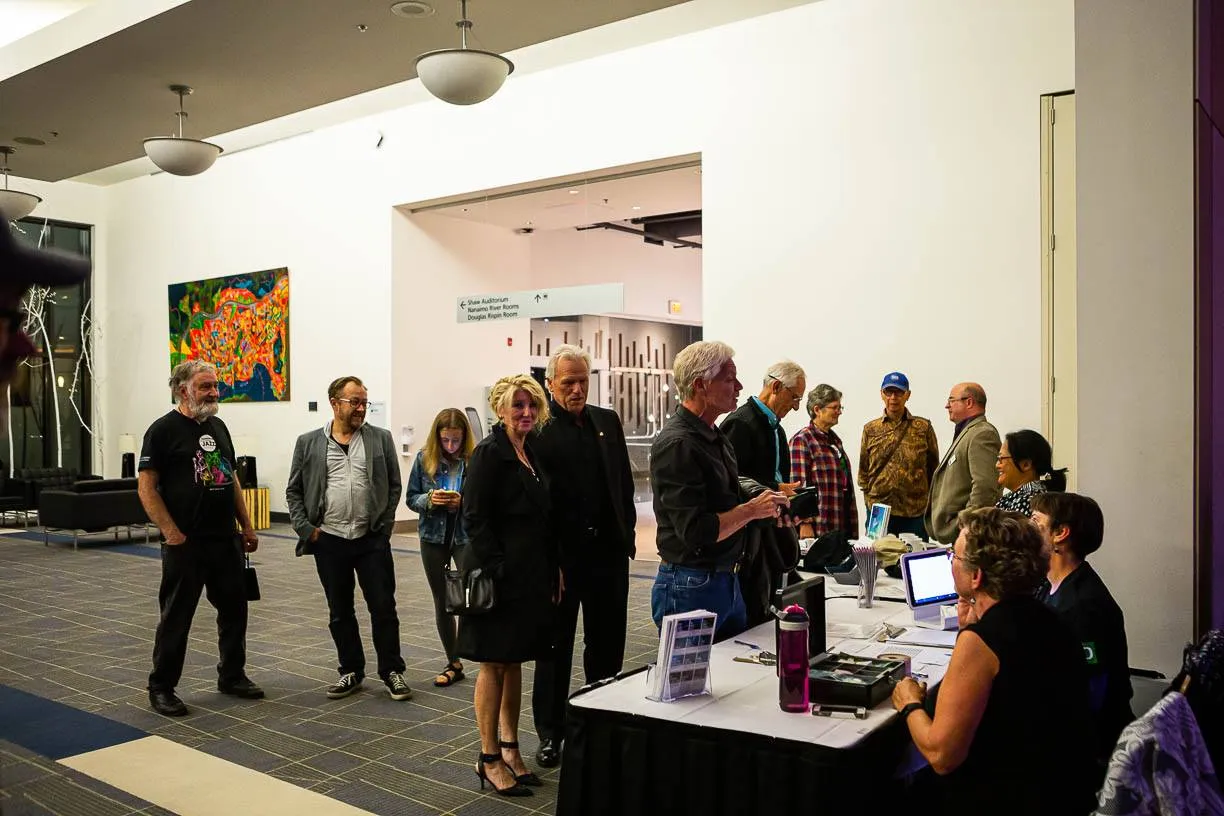
It all began at the entrance, where excitement blends with anticipation. The volunteers, smiling despite the sharp sea breeze, asked a ritual question of each newcomer—a question that seemed to probe the very spirit of the event:
"In your opinion, what is the color of Jazz in Nanaimo this year?"
It was fascinating to hear the responses. For some, it was the deep blue of the Strait of Georgia; for others, the pearl gray of the morning mist or the burnt gold of brass under the spotlights. This question wasn't a simple survey; it was an invitation to transition from a rational world into a universe of syncopation and improvisation. Local chroniclers noted that the premonitions were unanimous: the festival was no longer just "local"; it had become the beating heart of a community in search of raw beauty.
A Geographic Convergence
Moving through the crowd, I listened. Accents mingled. Specialized bloggers I had met at the press center confirmed my impression: Nanaimo had become, for the duration of a festival, the point of convergence for the entire province and far beyond. We saw Victoria regulars, recognizable by their relaxed elegance, crossing paths with music lovers from the interior, from Kelowna to Prince George. Some had even traveled across the country from Montreal, drawn by the growing reputation of the West Coast jazz scene.
But what struck me most was the massive presence of our southern neighbors—visitors from Seattle and Portland—who came to see how a small port city on the Island could rival the great American festivals. Everyone was there for one thing: that intimate proximity with the musicians that only Nanaimo still allows. Here, the boundary between artist and audience is as thin as the mist itself.
The Paroxysm: The Hour of Fire
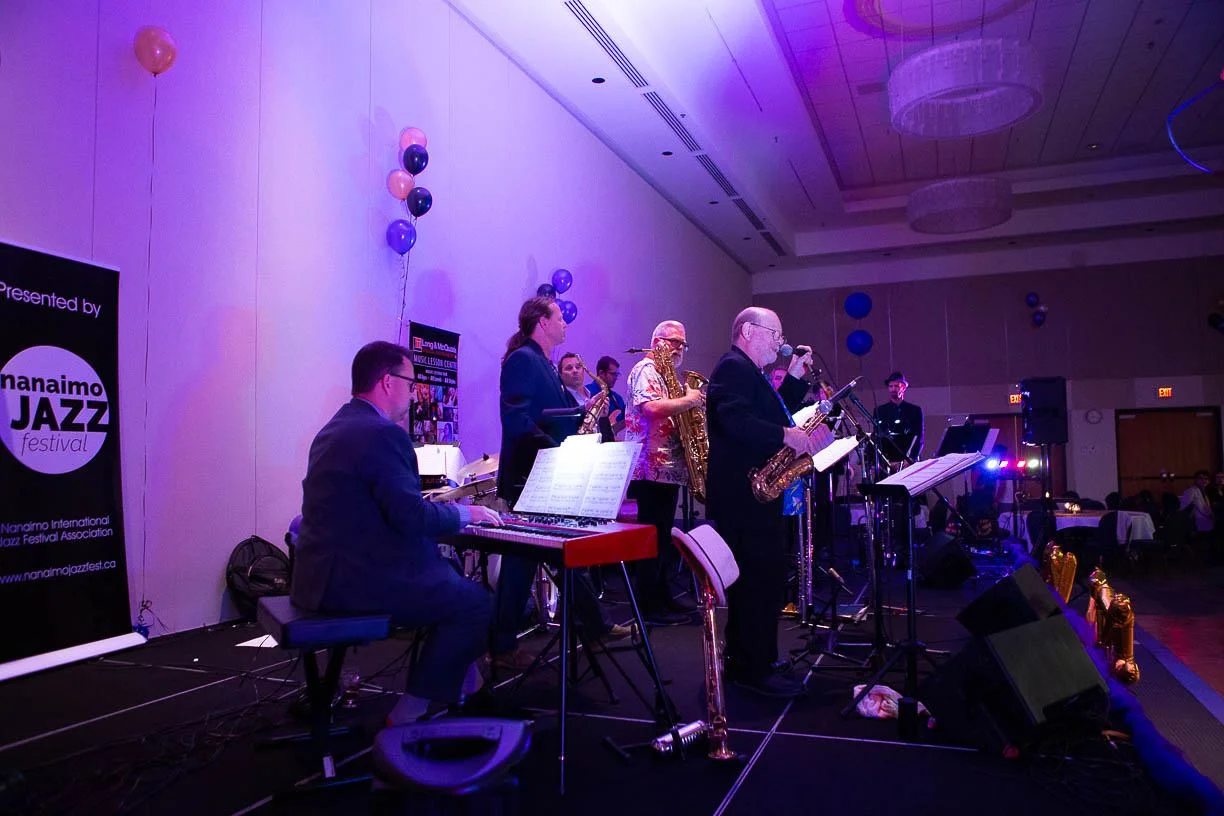
The "hottest" moment, the paroxysm of the festival, invariably occurred around 9:30 PM at Maffeo Sutton Park. This is where the atmosphere shifted into the electric. Imagine: the sun has just dipped behind Mount Benson, leaving a crimson trail across the water. The air, saturated with salt spray, carries the scent of cedar and freshly ground coffee from the nearby kiosks.
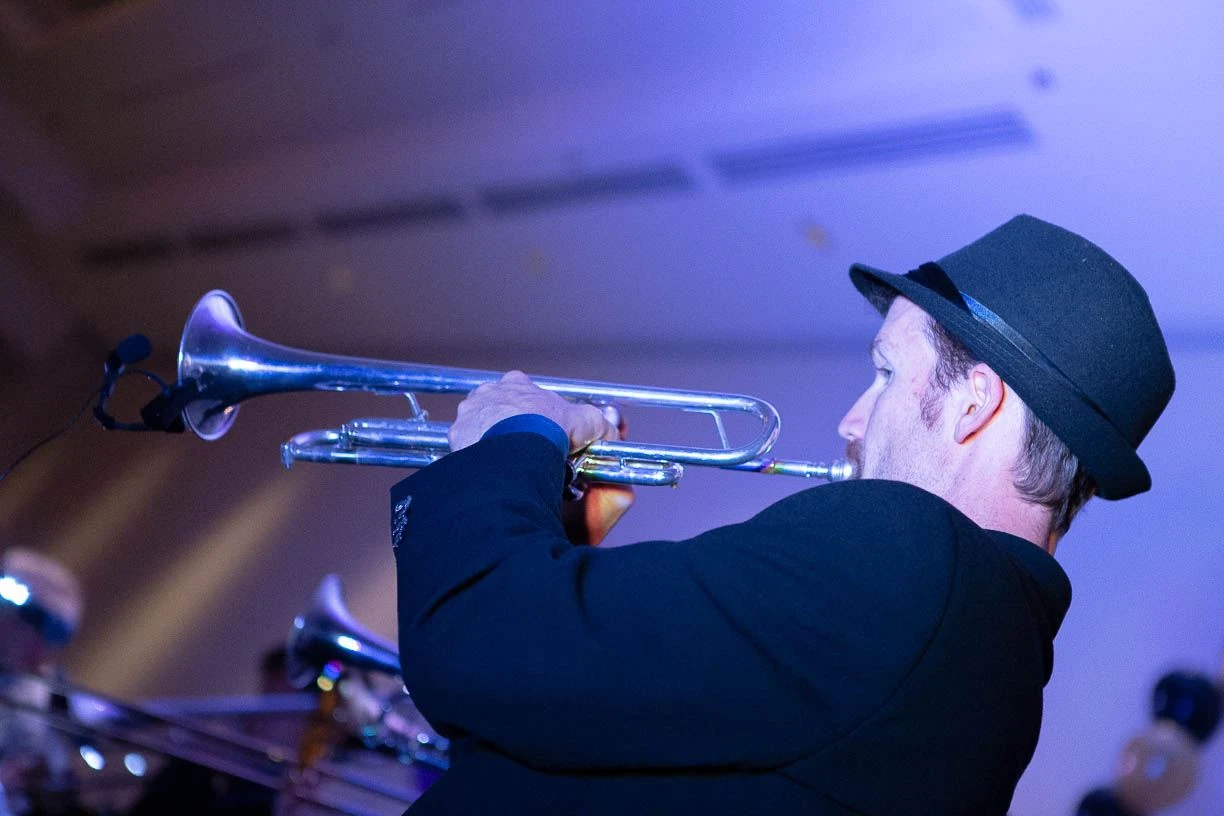
At this precise moment, the main stage becomes an altar of light. The people are no longer just spectators; they form an organic, swaying mass, hypnotized by the soaring notes of a tenor saxophone. The atmosphere is a paradoxical blend of meditative silence and collective exultation. I remember seeing a journalist from Vancouver stop writing, simply to close his eyes and absorb a note held by the trumpet, which seemed to want to fly toward the masts of the boats moored in the distance. It was the tipping point where pure technique vanishes to make room for emotion.
Capturing the Unseen Energy
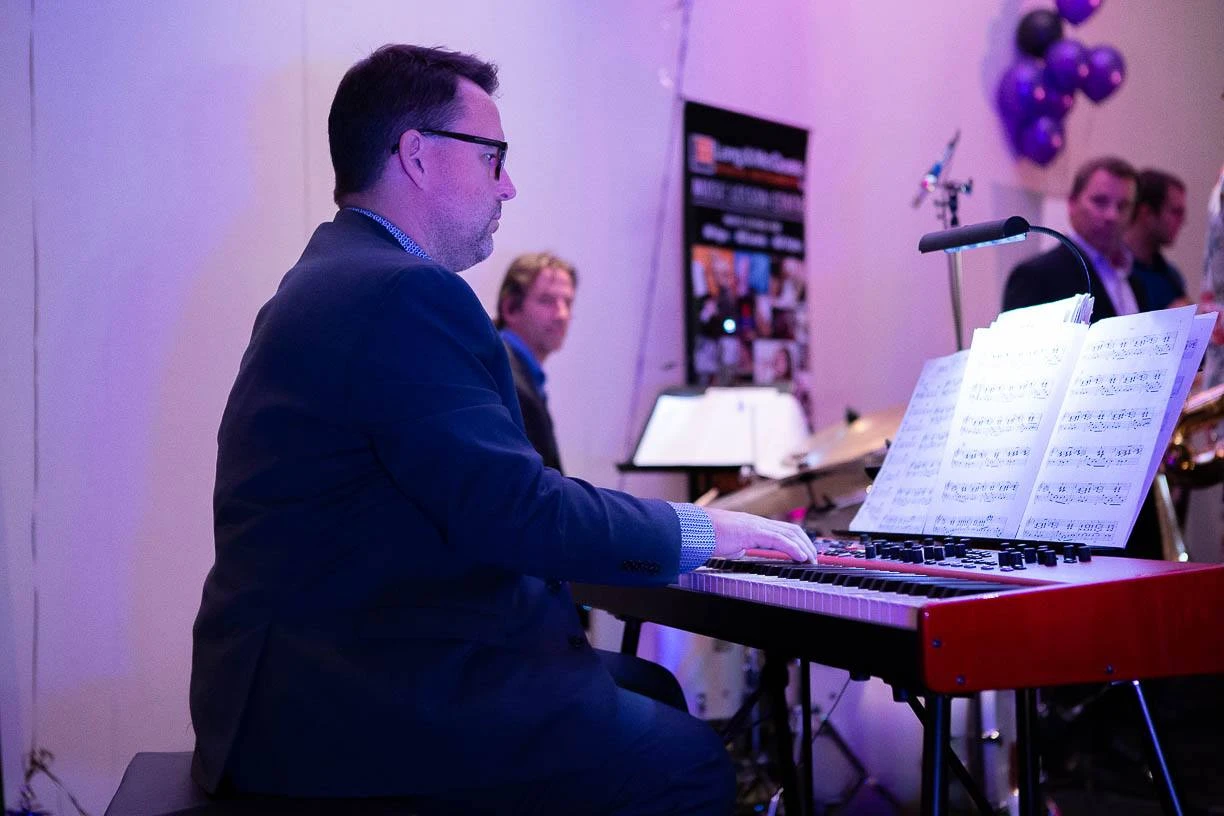
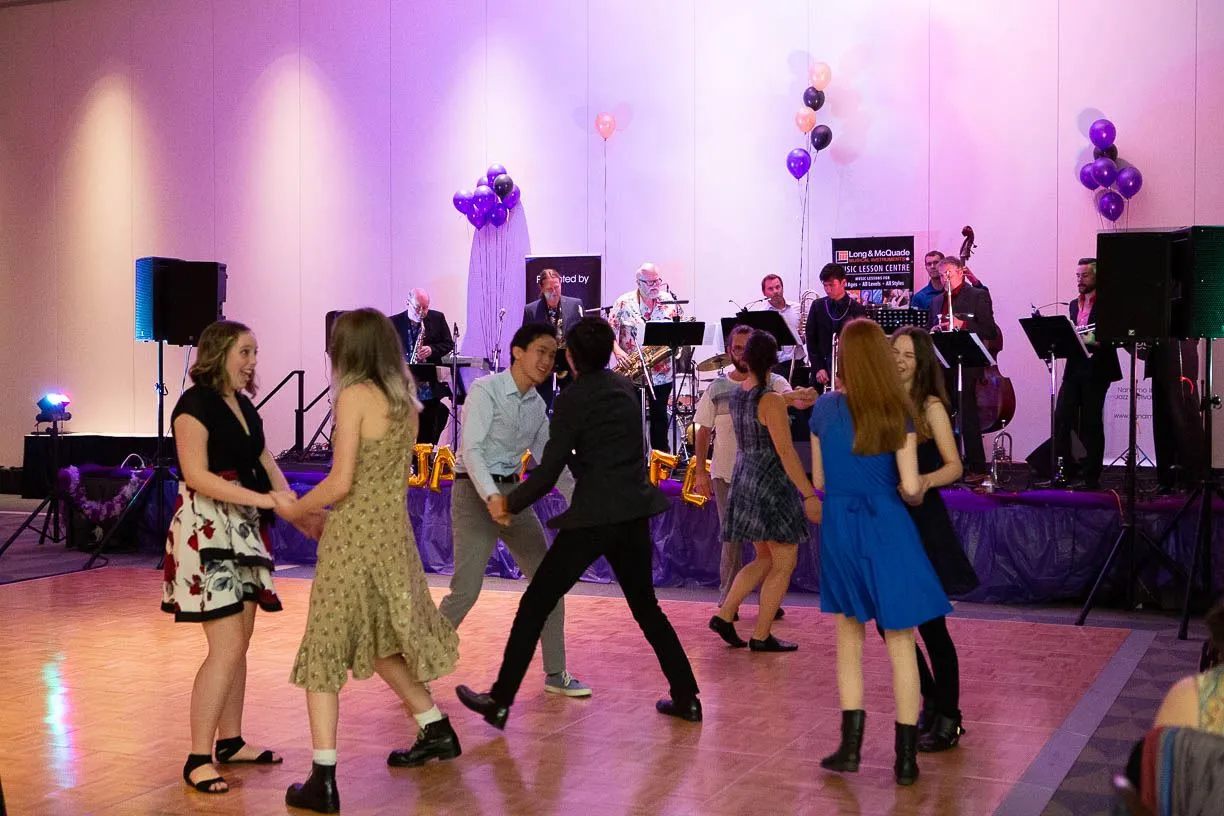
The faces, lit by the reflections from the stage, offered rare authenticity to my lens: wrinkles of joy, eyes closed in ecstasy, hands beating time on the knees of strangers. Concert photography is a dance with low light. Through the lens, musicians become timeless silhouettes. Unlike mega-festivals where you watch artists on giant screens, here you hear the clicking of keys on the wood of the clarinet. You see the bead of sweat on the drummer's brow. One local writer put it best: "The Jazz in Nanaimo is not a music you listen to; it is a weather system you endure with delight."
The Photographer in the Heart of Chaos
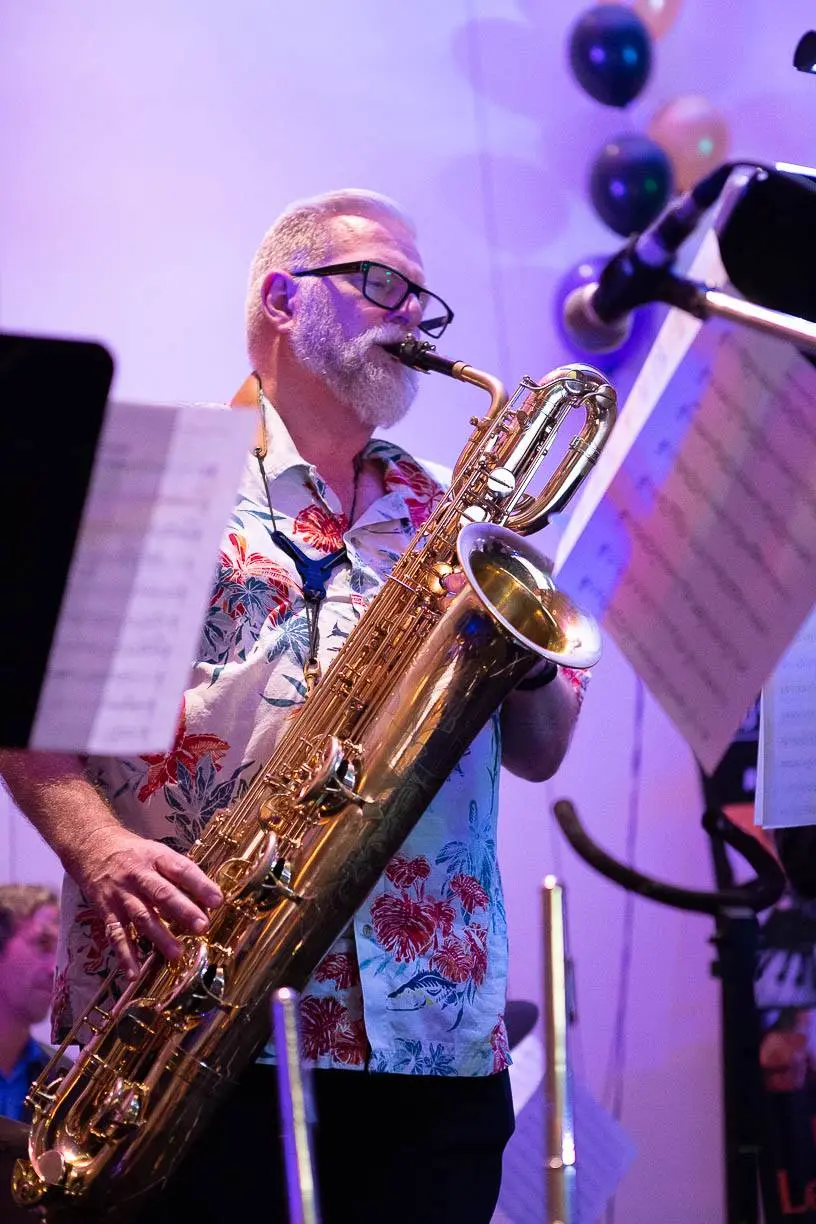
For me, my role was to capture what words could not say. The contrast between the matte black of the stage background and the burnt gold of the light. I spent hours tracking what I call the "in-between": that moment when the musician takes a breath, when the audience holds theirs, just before the final explosion. The sea mist that sometimes drifted between the rows of chairs only added to the magic, making the sound feel more muffled, more secret.
Every article written about this event emphasized the same thing: the legendary hospitality of Nanaimo’s people. Visitors left with sand in their shoes and haunting melodies in their heads, but above all, with the feeling of having been part of something larger than a simple concert. Nanaimo, for a few days, ceased to be a stop on the road north and became the final destination—a land where jazz, carried by the Pacific wind, found its most beautiful resonance.