The Art of B&W Flowers: Capturing Botanical Essence
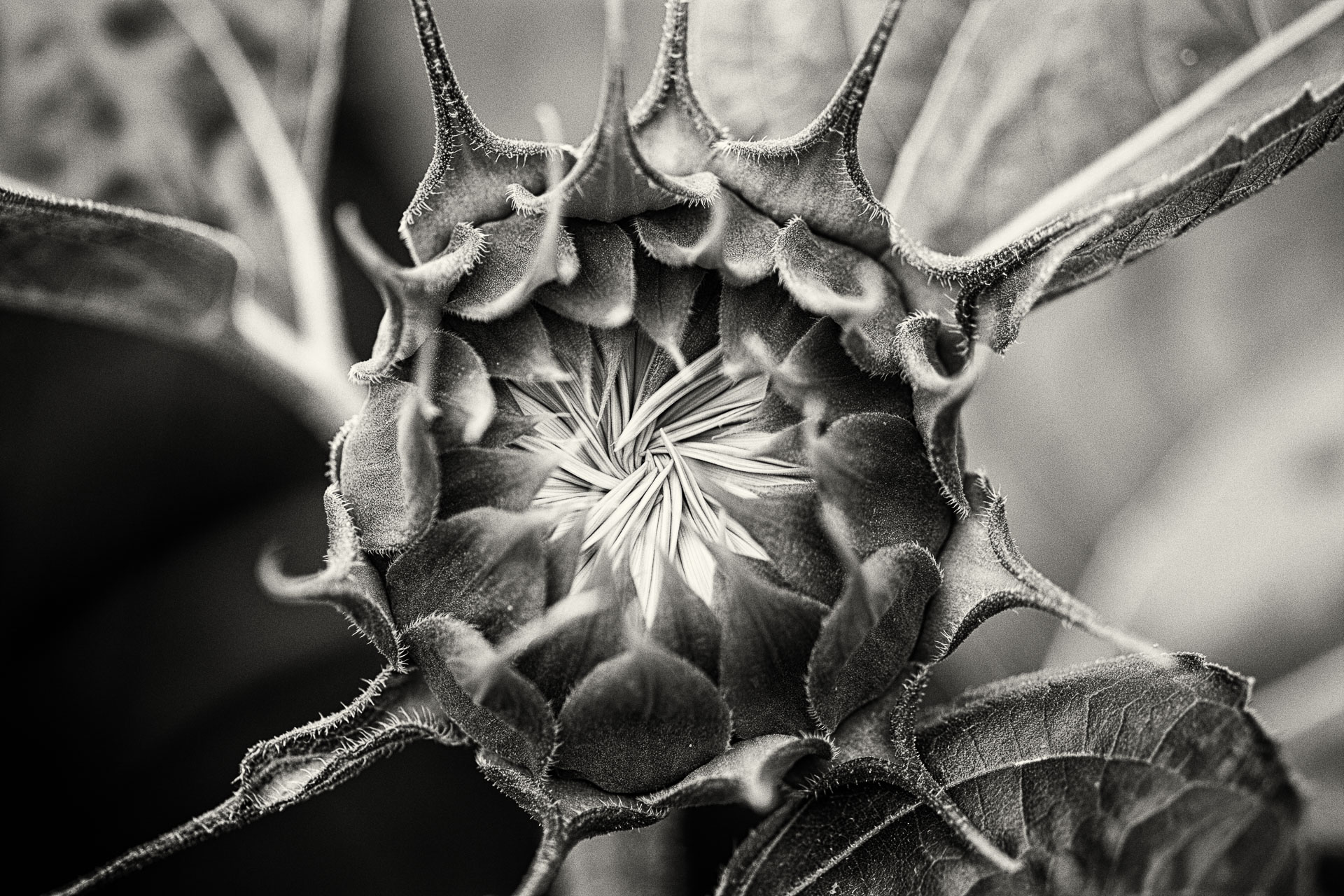
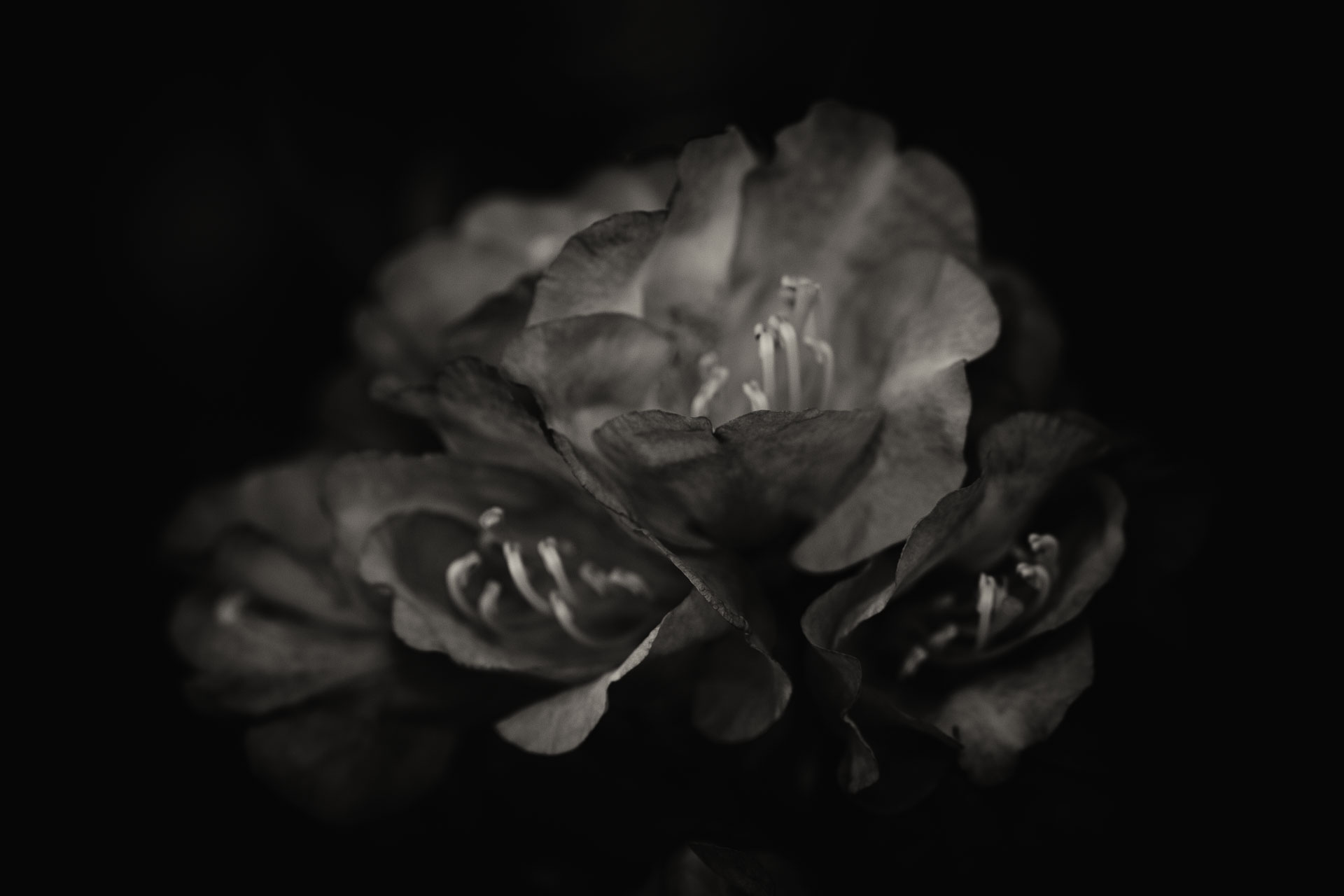
Flower photography is often associated with vibrant spring colors. However, removing color reveals a more intimate and sculptural dimension of the plant world. In black and white, we look beyond the surface; we capture contrasts, petal textures, and subtle light play. On Vancouver Island, where mist and heavy skies offer soft, diffused light, monochrome becomes a powerful narrative tool to transform a simple flower into a timeless piece of fine art.
1. The Quest for Softness: Aperture Impact
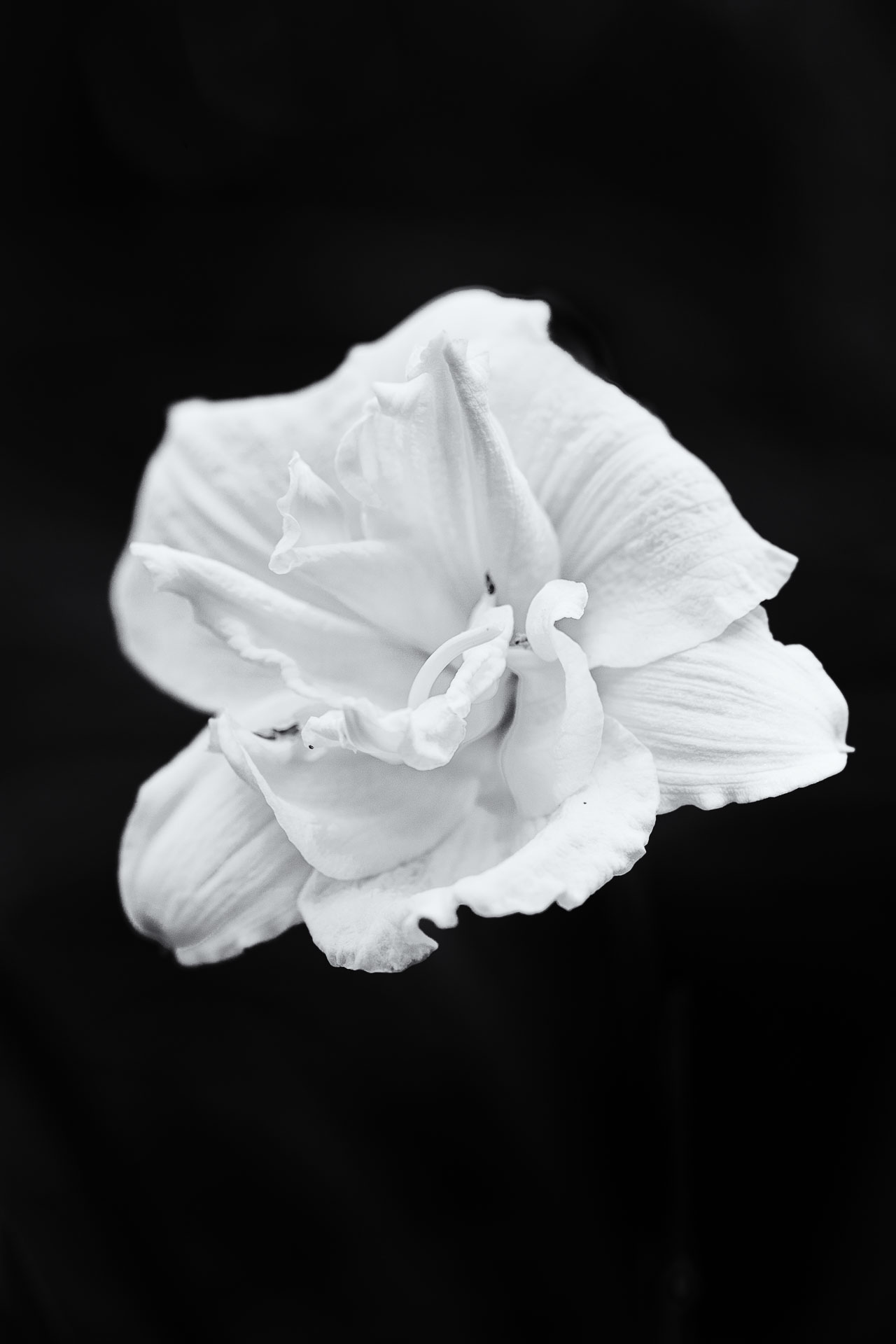
To isolate a flower and create that famous "bokeh," aperture is your primary lever. A soft background prevents unnecessary details from distracting the eye from your subject's silhouette. From f/1.8 for extreme artistic blur to f/5.6 for structural clarity, each choice defines the emotional weight of the image.
2. Mastering Motion: Shutter Speed
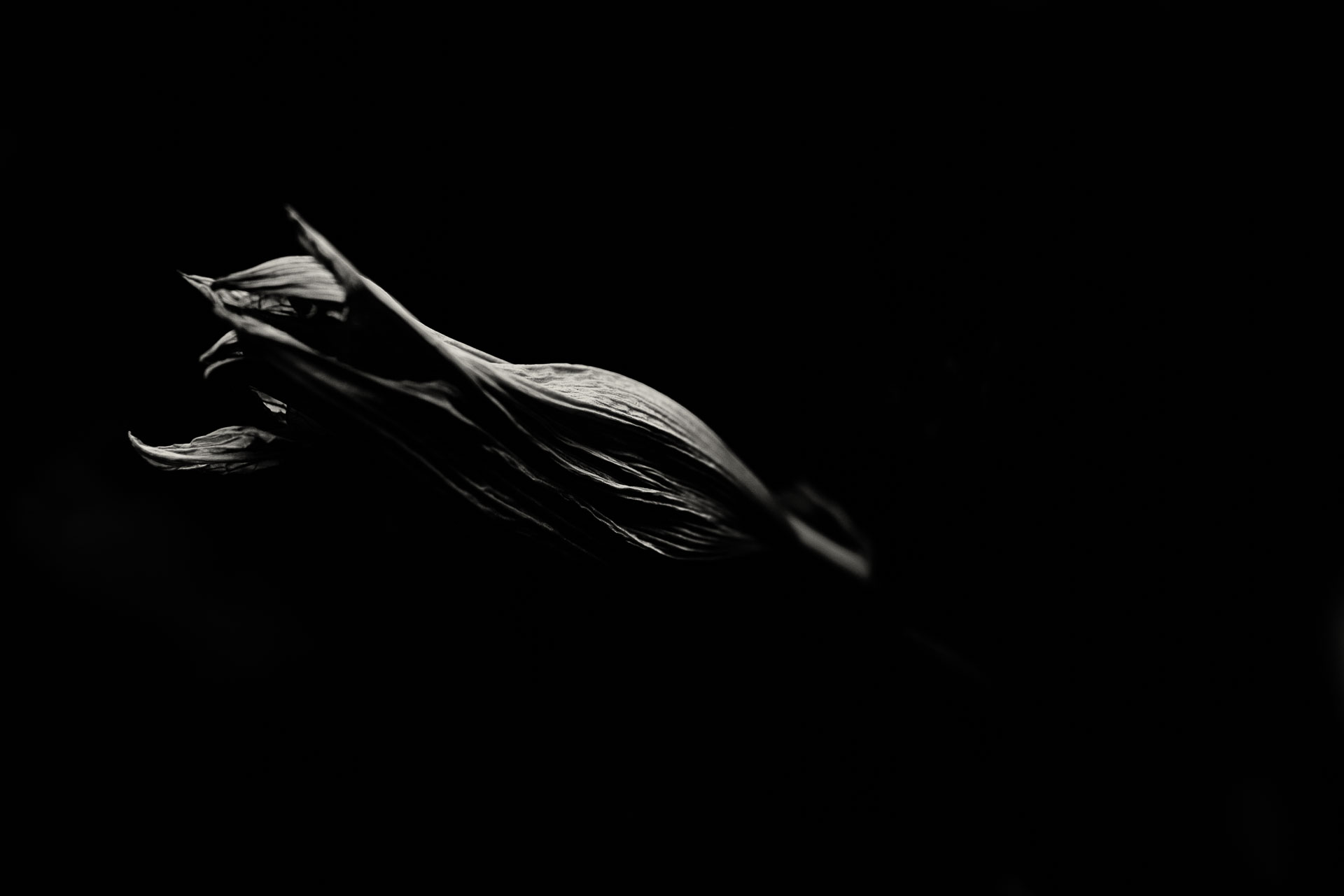
Shutter speed is the guardian of sharpness. In the coastal forests, everything moves. A fast speed freezes the vibration of petals, ensuring that fine textures like pollen are captured with surgical precision. Conversely, a slow shutter can evoke a painterly, ink-wash effect as the flower dances in the Vancouver Island breeze.
3. Grain and Texture: Managing ISO
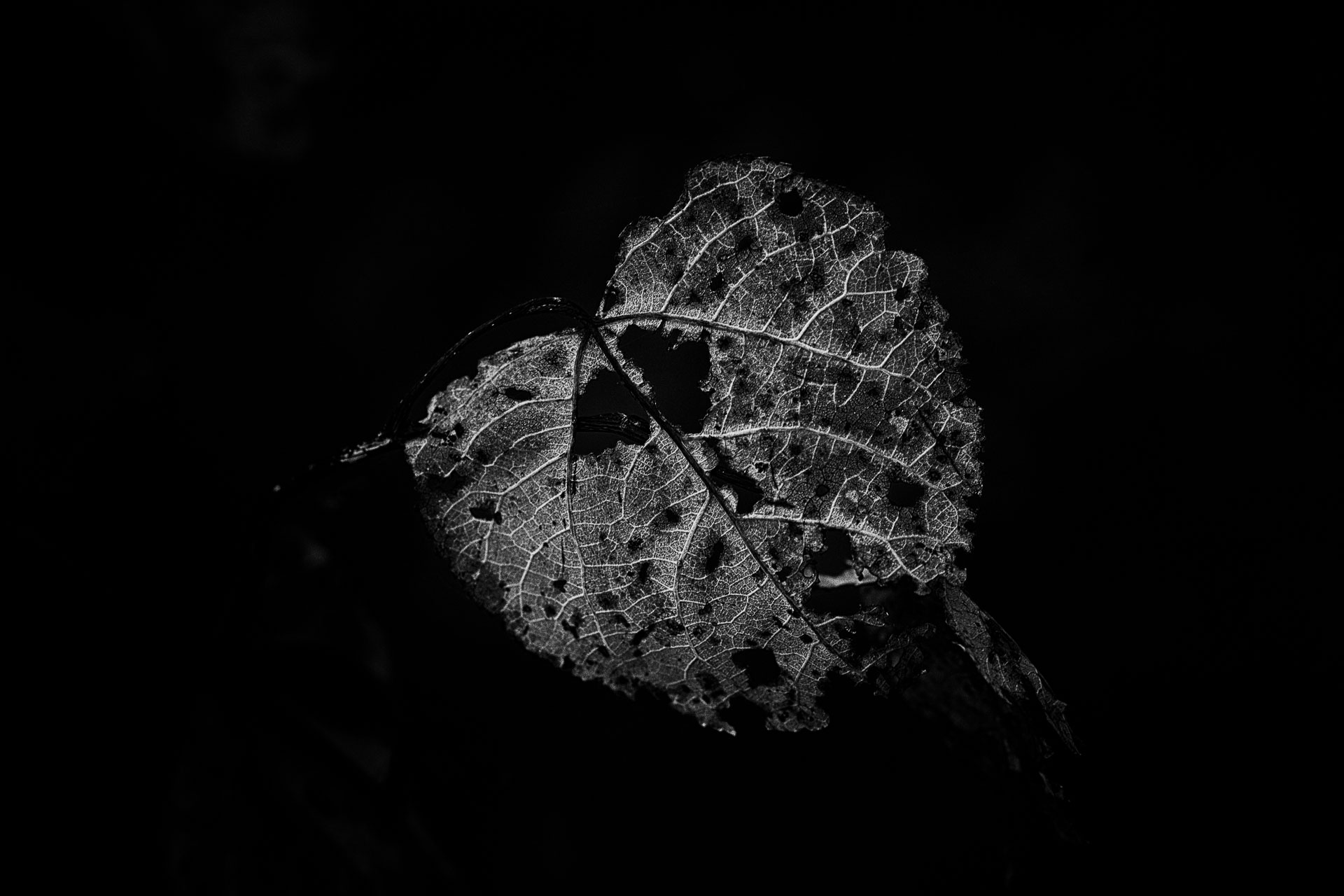
In digital photography, ISO must be managed sparingly to maintain smooth tonal transitions. Always shoot in RAW to preserve the full dynamic range of grays and monitor your histogram to avoid clipping the highlights. While ISO 100 provides digital purity, higher ISOs can introduce a gritty grain that recalls classic silver halide film.
Master Your Workflow
Struggling with Lightroom? I offer private 1-on-1 coaching to help you build an efficient, professional editing workflow on Vancouver Island.
Inquire About Private Coaching"This is incredible work! Thank you for sharing!"
— Judi Richards Photography
4. The Portable Studio: Background and Lighting
To achieve a perfect black background in the wild, I use a custom setup. I insert wooden dowels into a dark fabric curtain, which I then plant about 6 inches behind the flower. This creates a portable studio environment. I also occasionally introduce small accent lights to sculpt the petal contours and create highlights that stand out in monochrome.
Conclusion
Succeeding in black and white floral photography is a balance between technical discipline and artistic vision. By mastering your exposure triangle and using field tools like background curtains, you transform wild nature into a high-end studio. It is in this stillness, often alone against the elements of BC, that the most sincere images are born.