Introduction: Turning the Dream into Reality
The nomadic dream is, for many, a frozen image on a screen: a sunset over the ocean or a van door open to the forest. That was my dream. But turning that aspiration into reality means accepting to trade the security of walls for the immensity of the unpredictable. Settling in a thousand and one places without weaving binding emotional ties is choosing a loyalty to oneself—a true restoration of the **mental heart**—rather than to a postal code.
Over the course of this journey, I realized that society teaches us a false concept of freedom. In reality, we are slaves to a system, living as if in an invisible prison. This confinement is the primary enemy of our **mental health**. How many times have I wanted to leave a job, only to feel utterly powerless—rent to pay, the burden of moving, all the trouble that comes with change. You stay, not by choice, but out of fear of the logistical consequences.
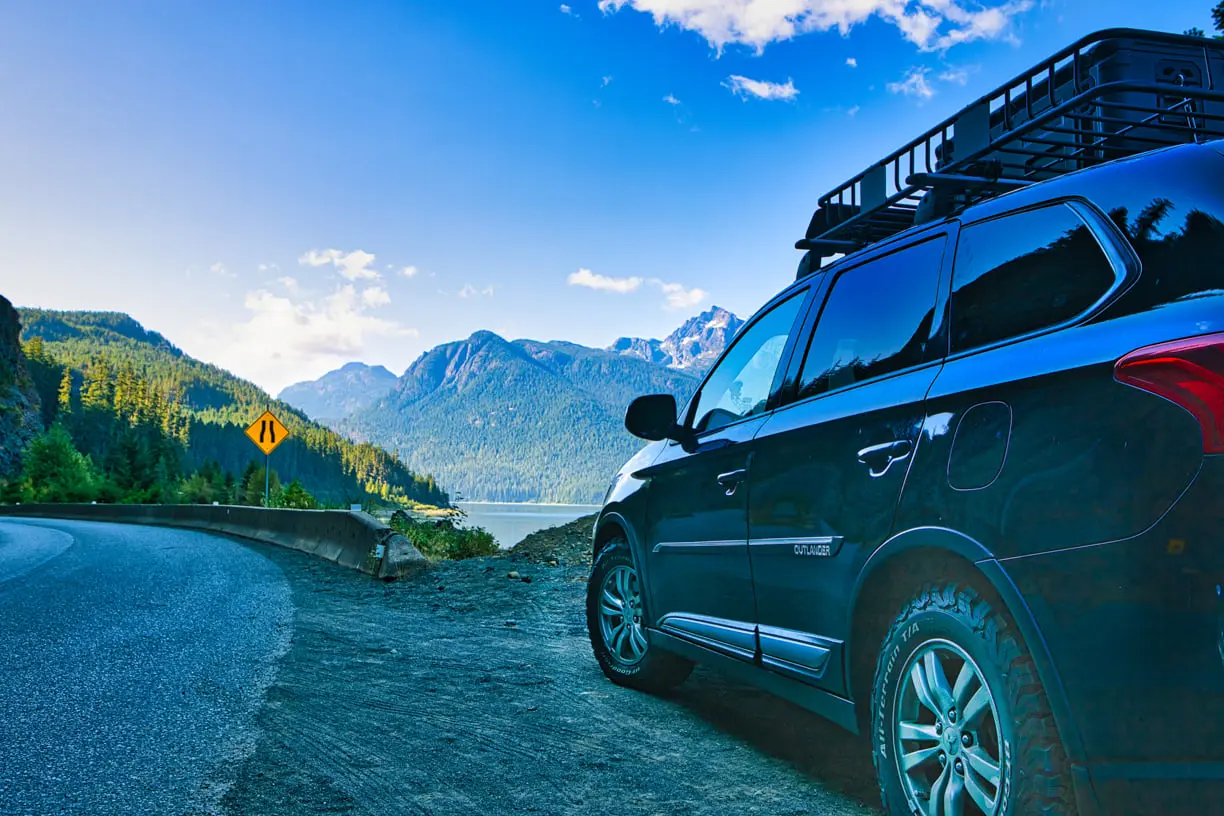
I have been living this life for seven years. It is made of exhilarating peaks and valleys of doubt. My story began with a brutal questioning. I understood that to capture the authenticity of the world, I first had to become authentic myself. Living in a Mitsubishi Outlander means reducing your physical space to expand your mental space. Here, every kilometer is a page turned. Welcome to my mobile sanctuary, where the refusal to submit becomes the foundation of a new life. True freedom is this categorical refusal to fit into a mold that does not belong to us. It is the moment when we stop negotiating with our chains to finally break them. This perpetual movement is not an escape; it is a medicine: science demonstrates that navigating new spaces stimulates the **neuroplasticity** of our brain, forcing our hippocampus to recreate unprecedented spatial maps. By breaking routine, I am not just changing scenery; I am regenerating my own neurons and safeguarding my **psychological resilience**.
The Great Departure: Breaking Free
The great departure is not just a geographical journey; it is a psychological rupture. I decided to abandon everything the day when, at my job, my words became subject to silence. I was too often criticized for being myself—quick-witted, honest, a person who respects his own choices and roots, and who does not betray his beliefs, his life, or who he truly is... I said no. True freedom is the refusal to submit to uniformity.
Freeing oneself from everything—furniture, useless bills, social expectations—is the most courageous act I have ever performed. I have never felt so free. Stress, that constant background noise of sedentary life, dissipated to make way for a serene vigilance. Fewer possessions mean fewer fears. When you own little, you have nothing left to lose. This transition forced me to redefine the notion of need. Do I need 200 square feet, or a breathtaking view of the Strait of Georgia?
Nomadism taught me that independence begins with stripping away the excess. Every object I parted with was one less rope binding me to that social prison. Leaving Rouyn-Noranda, I left behind not only a city but a restrictive way of thinking. Today, I am no longer the slave of a system that demands my silence in exchange for a paycheck. I am the architect of my days. By living outdoors, I have also found perfect synchronization with my **circadian rhythm**. Without the artificial lights of offices, my body recalibrated to the solar cycle, stabilizing my sleep and my energy. This is a biological liberation as much as a social one. I am no longer a clock to be wound; I am a being that breathes with the world, protecting my **mental heart** from the toxicity of the artificial.
Anecdote: Narco and the Seat of the Chevrolet
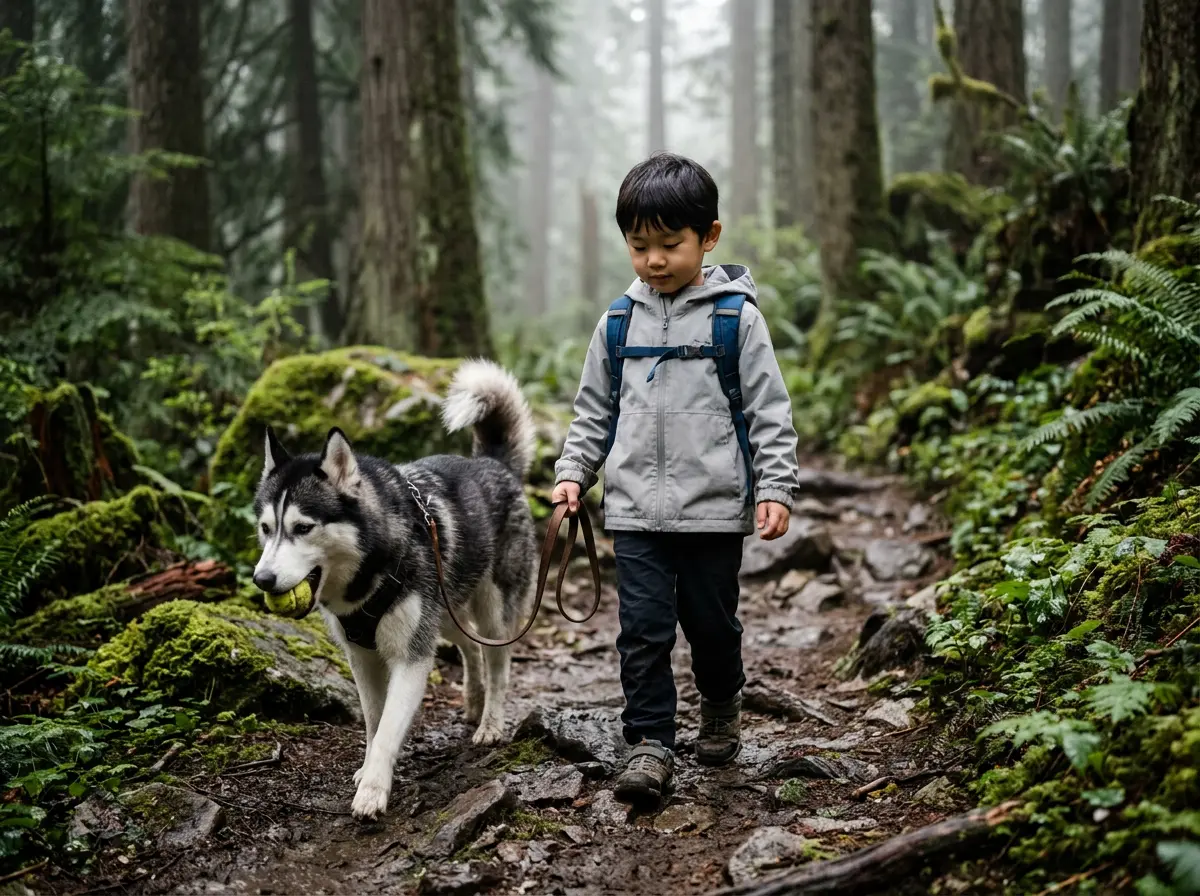
My journey began with an exodus. I left my city of Rouyn-Noranda with my Husky dog, Narco. We were aboard an old 1997 Chevrolet Impala. The trip to British Columbia was a long crossing of the continent, a face-to-face between a man in search of meaning and an instinctive animal.
The day of my arrival in Nanaimo, the tension was at its peak. I was tired, feverish, both excited and terrified by this new land. I parked in front of a Tim Hortons to get a coffee, a ten-minute break, no more. Narco had stayed in the Impala. Upon my return, the shock was brutal. My dog had started to eat the driver's seat. At that moment, I completely lost it! Things did not go well in my head.
I finally made the difficult decision to part with my dog. It was cruel, but necessary for my **psychological survival**. I learned that day that my solitude had to be complete to maintain control over my emotions and my mood swings. To be free, I had to be alone. This event marked the beginning of my radical nomadism: one man, one vehicle, and nothing else to interfere with his own balance. Since then, my vehicle has become a temple of silence where I am the sole master of chaos.
Advantages: A Minimalist and Naturalist Life
Building Self-Confidence & Emotional Strength
Experience shapes us and gives us the right tools to learn how to adapt quickly. Experience molds us and provides the necessary tools to learn how to become resourceful fast. Adaptation becomes second nature. We no longer panic at the unexpected; we smile. This constant state of readiness is a powerful exercise for **mental health**, transforming fear into proactive problem-solving.
ADHD Type H and Nomadic Life: The Healing Power of Movement
For an ADHD profile of the hyperactive type, sedentarity is torture. Nomadic life, with its constant change of stimuli, is soothing. Being a nomad means being confronted with many lifestyles, cultures, and unknown situations, many of which bring out sides of our personality we completely ignored. The science of **biophilia** explains my calm: constant exposure to natural fractals—the branches of fir trees, the movement of water—reduces my heart rate and soothes my fragmented attention in less than three minutes. I have transformed life's inconveniences into a strength for my **mental heart**.
Solitude and Personal Balance
Nomadic solitude is often misunderstood. It is confused with isolation. Yet, independence is total and saving. Bye-bye forced solitude of urban crowds! Here, solitude is a conscious choice. It allows one to test their own limits and reflect deeply on their lifestyle. It is a permanent face-to-face with oneself that forces balance. For me, this solitude has become the rampart against emotional instability. By having no one to answer to, I was able to stabilize my mind.
Solitude by Choice: Its Benefits for Mental Health
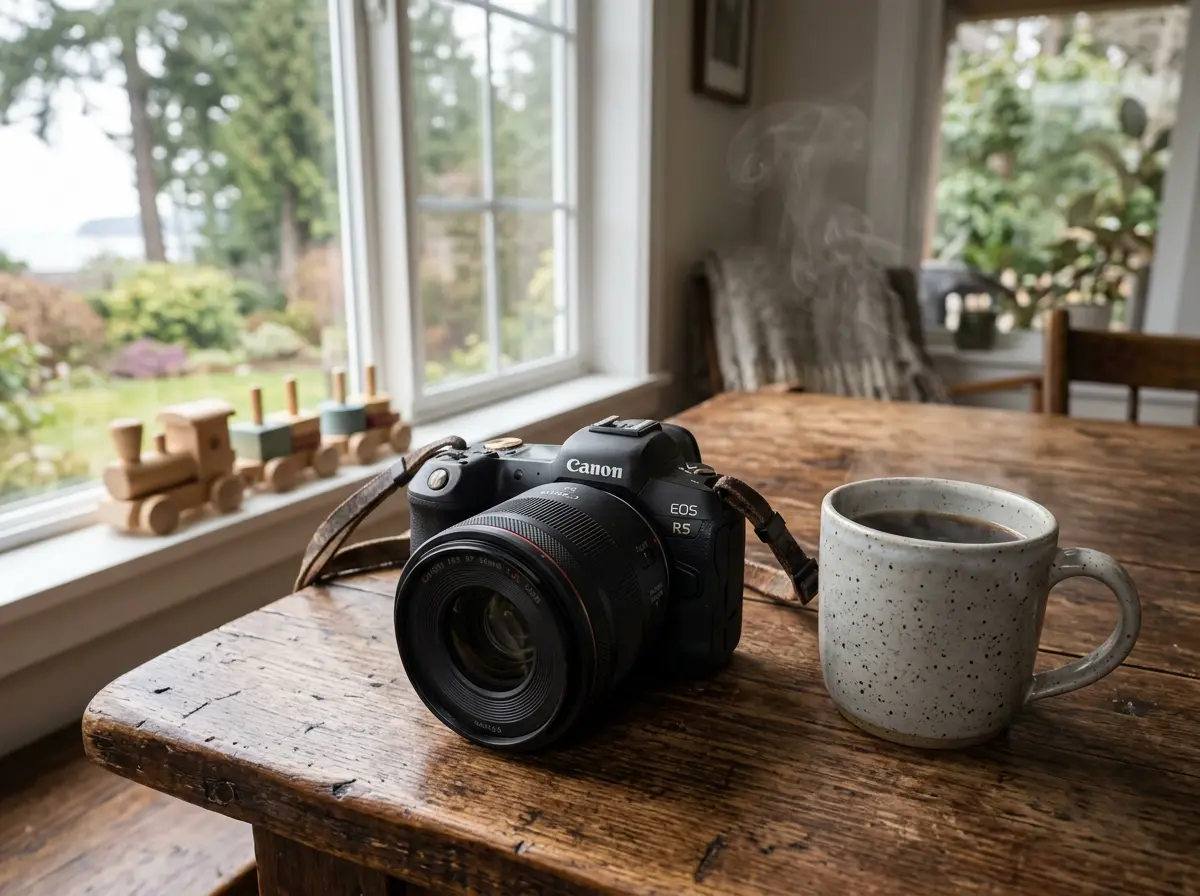
Choosing to spend a week alone in the forest with my drone and my camera is an act of regeneration. It is in this silence that strokes of genius are born. The benefits are immediate: mental clarity, lower cortisol, and decupled creativity. We no longer seek validation in the eyes of others, for we have found our own validity in the solitary accomplishment of our days.
An Act of Courage
Staying alone with one's thoughts, without the noise of television or neighbors, is an act of courage. It is accepting to see one's own shadows to better integrate them. In our society, solitude is seen as a failure, when it is actually the highest form of self-mastery and **mental heart** preservation.
The Risk of Isolation
One must, however, be vigilant. The line is thin between chosen solitude and social isolation. Maintaining a digital link, as I do with my journal, is essential for keeping a foot in humanity. Total isolation can lead to a loss of perspective. I remain an observer of the world, not a ghost. My web presence is my social anchor, my way of saying "I am here" while remaining free.
Sharing My Journey
I believe that my seven-year odyssey into the wild can help others find their own path to freedom. If my story resonates with your **mental health** journey or your quest for artistic independence, I am open to sharing more. Let's talk about the architecture of freedom.
Get in TouchConclusion
After seven years, the balance is clear: nomadic life saved me from the social prison. It taught me that comfort is the greatest enemy of art and honesty. Today, my $2,000 monthly budget doesn't fund a rent; it funds my freedom of movement and my refusal to submit. Freedom is not a gift we receive; it is a position we defend every day against those who would like to see us become docile prisoners again. My solitude is my strength, and my vehicle is my vessel to the infinite.