Introduction: The Artistic Crossroads
Imagine standing on a rugged Vancouver Island cliffside as the light fades into the Pacific. You face a critical crossroads: do you preserve the vibrant colors of the golden hour or strip the scene down to monochrome? This choice is not merely technical; it defines the deep narrative of your work. Post-processing is the moment of truth where the initial vision is either confirmed or transcended. Sometimes, color acts as a distraction—a visual noise that pulls the viewer away from the essence. Other times, it is the only vehicle capable of carrying the raw emotion of the moment. This complex dilemma between vibrant realism and timeless abstraction is the heart of the artist's journey. It is in this tension that a visual signature is born, separating a simple capture from a deliberate work of art.
The Power of Chromaticism: Anchoring Reality
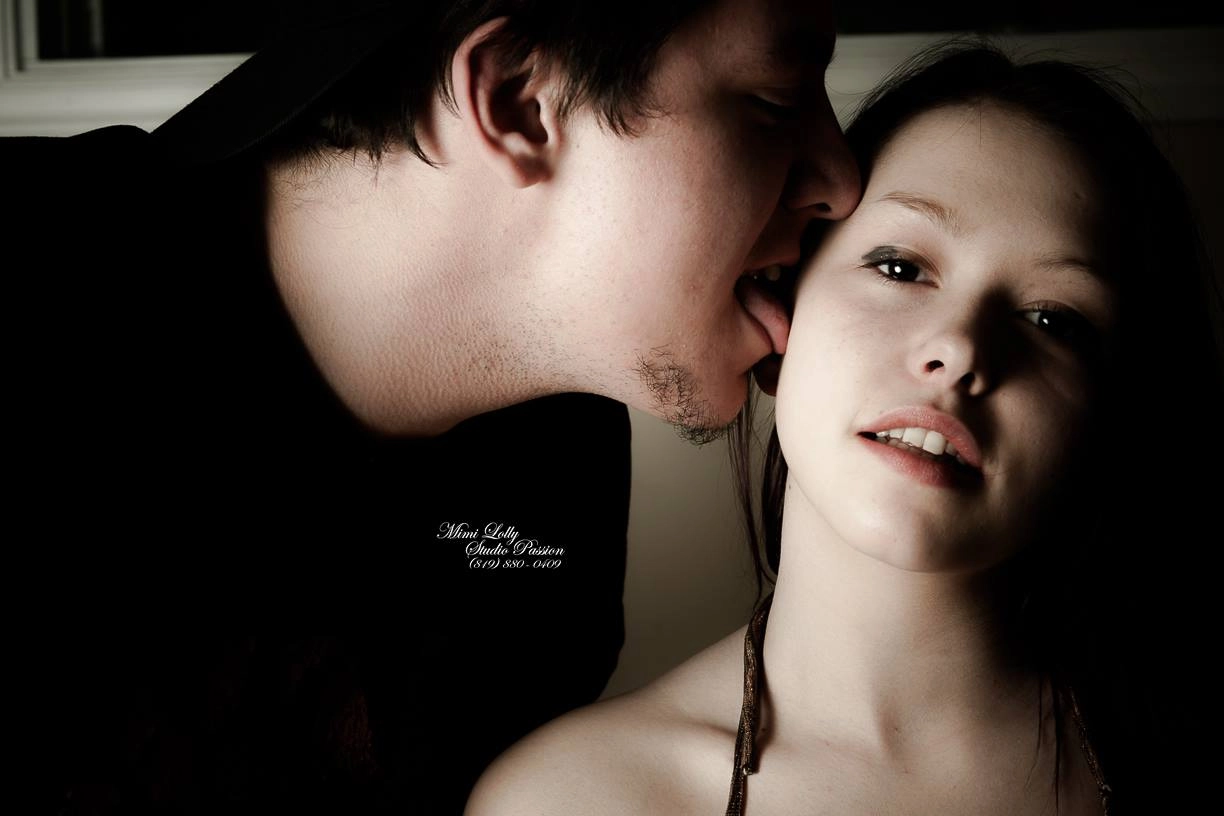
The choice of color is often dictated by the subject itself and the story it carries. In natural light portraiture or the vast landscapes of British Columbia, color serves as an emotional guide. It anchors the image in a specific temporality—the comforting warmth of a sunset or the melancholic chill of a morning mist. Color allows for a visual hierarchy, drawing the eye to specific points through hue contrast and saturation. To embrace color is also to leverage the psychology of tones. Burnt gold evokes nostalgia and richness, while deep blues emphasize solitude and immensity. In a professional workflow, color mastery ensures a consistent visual signature, capturing the energy of live events where lighting is part of the story. Color is a celebration of life as we perceive it—a loyalty to the infinite nuances of nature. It requires absolute technical rigor to avoid the trap of "too much," as every hue must have a reason for being in the final composition.

Color is not just an aesthetic layer; it is a language of survival and attraction. When we look at the red of a dress against autumn leaves, we aren't just seeing light—we are feeling the transition of seasons and the pulse of life. In my 17 years of experience, I've learned that color must be respected as a primary force, never used as a mask for poor composition.

The Radical Act of Black and White: Creative Subtraction
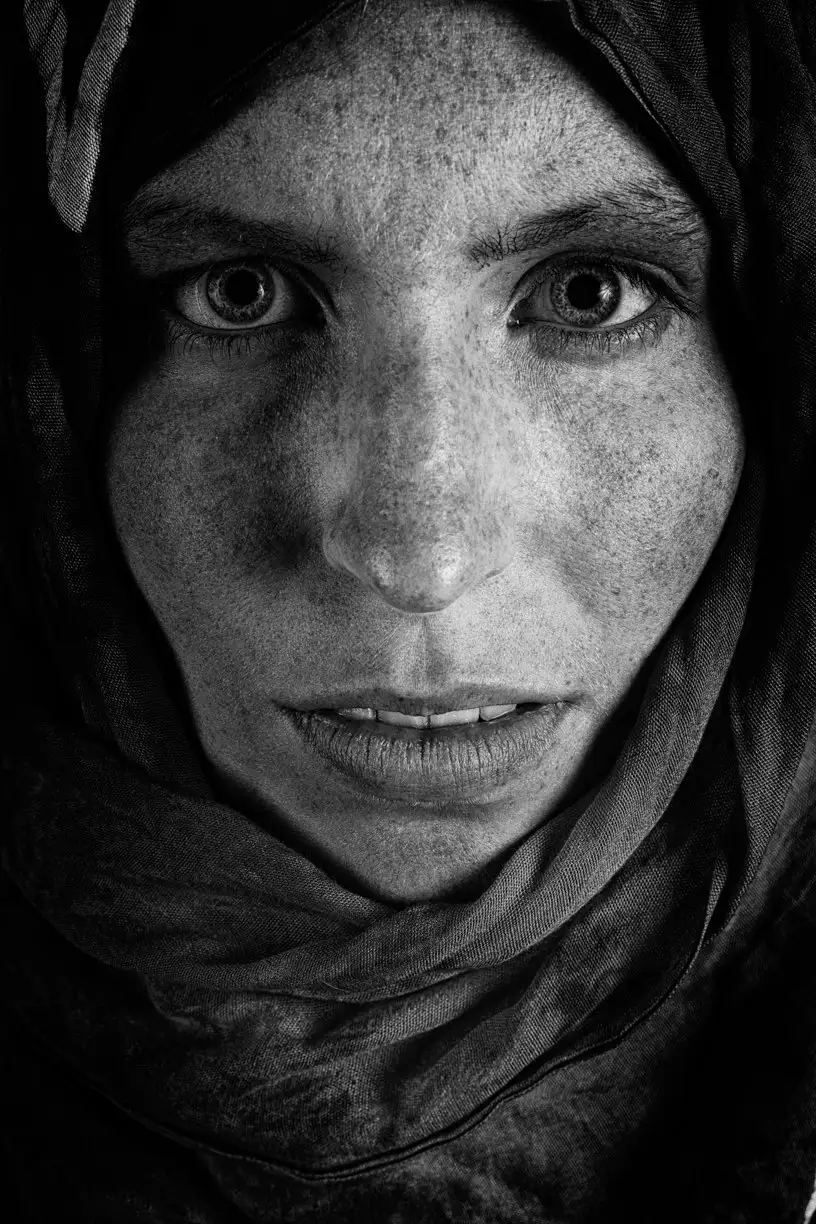
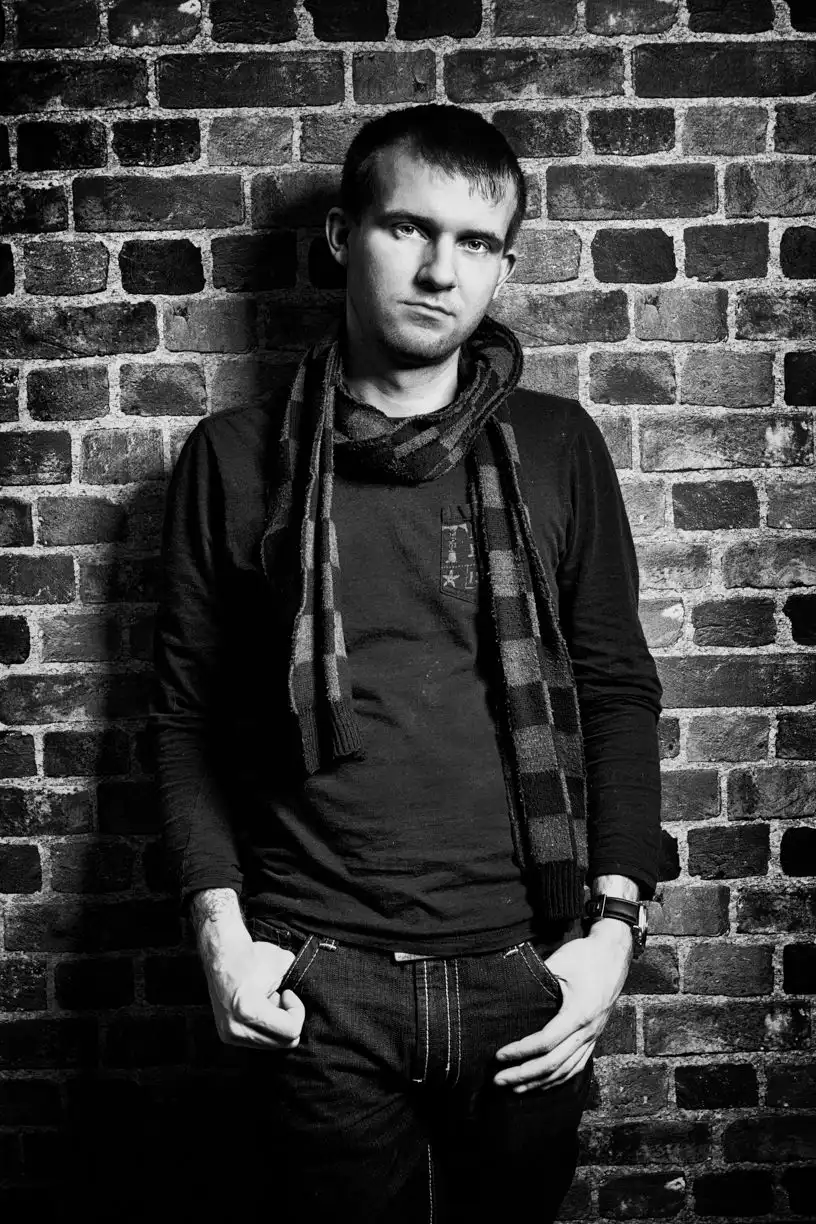
Switching to monochrome is a radical act of subtraction. By removing color, you reveal the bones of the image: light, shadow, form, and texture. It is the ultimate choice when color becomes an obstacle to understanding the subject. In portraits, black and white realigns focus on expression, the gaze, and lived experience, transforming the specific into the universal. We no longer see the color of the eyes; we see the intensity of the soul. In landscape photography, black and white dramatizes scenes by accentuating geographical structures and atmospheric contrasts. It shifts the focus from "what" is there to "how it feels." It is an aesthetic of authority, creating a timeless dimension that invites introspection and challenges the viewer's imagination. Without the crutch of color, the photographer must rely on the perfect management of shadows and highlights. It is a return to the roots of photography, where the texture of a rock or the curve of a face become the sole protagonists of a silent but powerful drama.

Elevate Your Artistic Vision
Struggling to find your signature style? I offer private 1-on-1 coaching to help you master your professional editing workflow on Vancouver Island.
Inquire About Coaching
Conclusion: The Art of Balance and Loyalty
Ultimately, the choice between color and black and white is not a matter of rigid technical rules, but loyalty to your own feelings. Color anchors us in the world as it is, while black and white transports us to the world as it is felt. One documents beauty; the other interprets emotion. Never fear experimenting; an image that seems to fail in color might become your greatest masterpiece once converted to monochrome. True talent lies in the ability to identify, even before triggering, which language will best serve the story you have the privilege to tell. Your workflow should not be a prison, but a laboratory where your artistic vision finds its purest form, whether dressed in all the colors of the rainbow or sculpted in the infinite shades of gray.