The Art of Aerial Photography:
Elevating Your Perspective

By Joël Bourgoin | July 2026
Photography has always been a story of vision, perspective, and physical presence. Yet for decades, our creative gaze remained anchored to the ground, strictly constrained by eye level or the highest summit reached through the sweat of a steep climb. The advent of modern remote-piloted drones has fundamentally redefined our relationship with the landscape by granting access to a third dimension: height. This guide is written directly for you—enthusiastic visual artists and knowledgeable practitioners who already possess a solid foundation in core photographic mechanics. The exposure triangle, shutter control, composition dynamics, and grid rules are tools you already master.
Today, the digital landscape is flooded with overly technical manuals, dry operational guidelines, and endless pilot theories. My intention here is entirely different: to simplify, condense, and streamline the essentials so that you can craft breathtaking, emotionally resonant aerial images on your very next outing without getting lost in technical clutter.
An aerial drone must never be treated as a mere novelty, a technological gimmick, or a flying toy. It is, first and foremost, a vertical extension of your primary camera body. It allows you to expose the hidden structural geometries of the earth, paint with sweeping cast shadows, and rediscover wilderness landscapes you thought you knew by heart. In the following sections, we will break down essential pre-flight discipline, the evocative atmosphere of early morning mist and moody evening skies, weather monitoring, and the unique framing opportunities offered by advanced compact platforms like the DJI Mini 5 Pro. Pack your flight batteries and open your mind: it is time to take to the skies.
I. Intentional Preparation: Pre-Flight Discipline
The creation of a powerful aerial image never begins when the propellers spin into their high-pitched hum. It starts at your workbench the evening before your journey. Operating an airborne sensor requires a higher standard of technical rigor, as a minor oversight on the ground cannot be rectified once you are miles away in the field.
Your first priority is a disciplined, systematic charging workflow. Smart flight batteries, controller units, and display screens must be charged to full capacity. A drone with insufficient power translates directly into a cut-short flight and a missed creative window at the precise moment the light becomes magical. Inspect your storage media with equal scrutiny: format high-speed MicroSD cards (rated V30 minimum to handle high-bitrate RAW capture) and clear away prior sessions.
Cleaning your optical glass is another vital step that is all too frequently neglected. The compact lens of a drone continuously gathers dust, airborne sap, and finger oils during handling. A single smudged fingerprint will manifest as severe lens flare or a loss of contrast when shooting toward low sun angles. Use a dedicated blower and fresh microfiber cloth prior to takeoff. Finally, perform a physical inspection of every propeller blade: micro-cracks or subtle deformities cause high-frequency vibrations that ruin gimbal stabilization and compromise flight safety.
II. Reading the Weather: Light and Atmosphere
If your goal is to produce poetic, deeply evocative aerial photographs, leave the harsh mid-day sun behind. Bright, zenith lighting flattens topography, strips texture from the landscape, and turns vast wilderness areas into harsh, contrast-heavy surfaces lacking emotional depth.
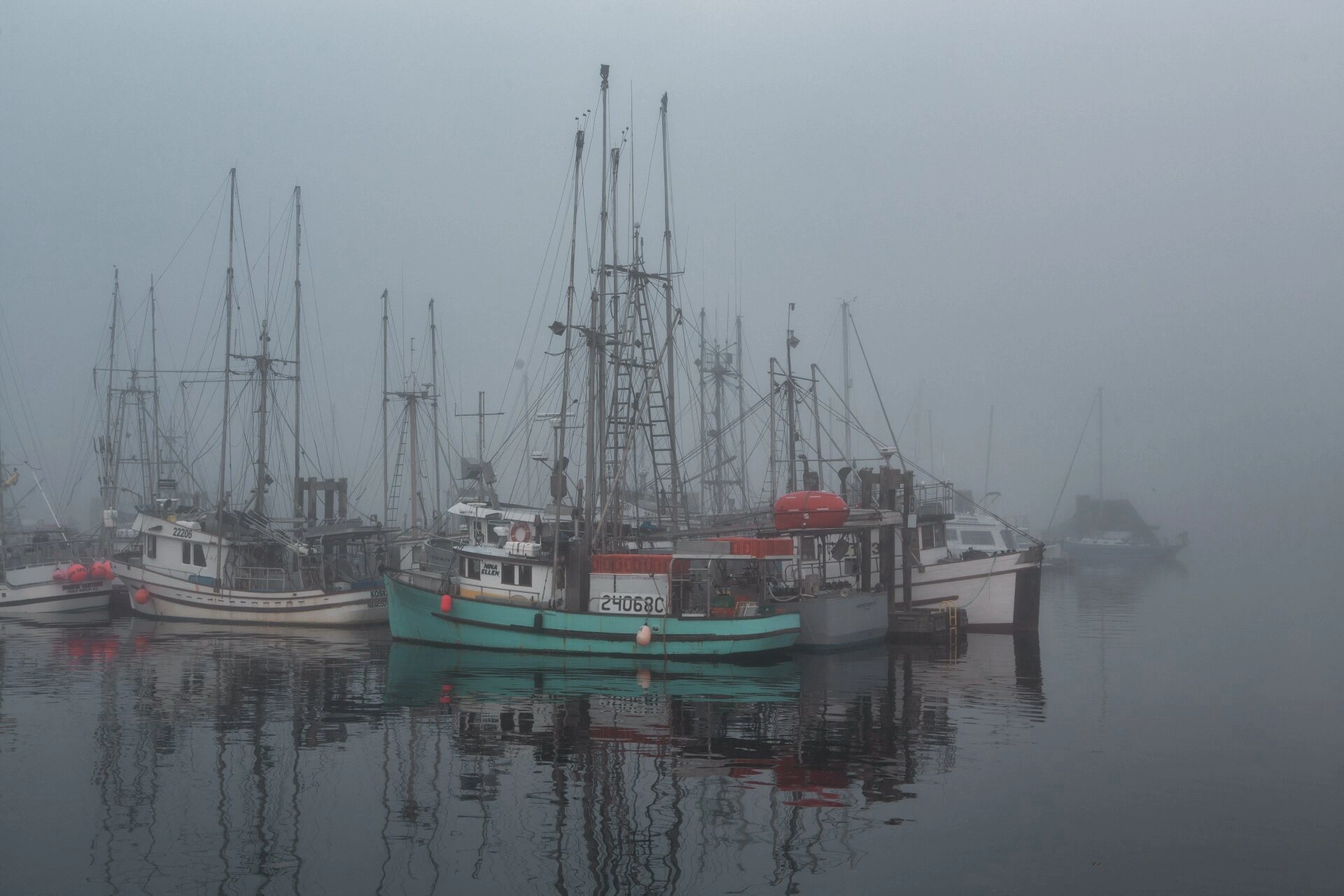
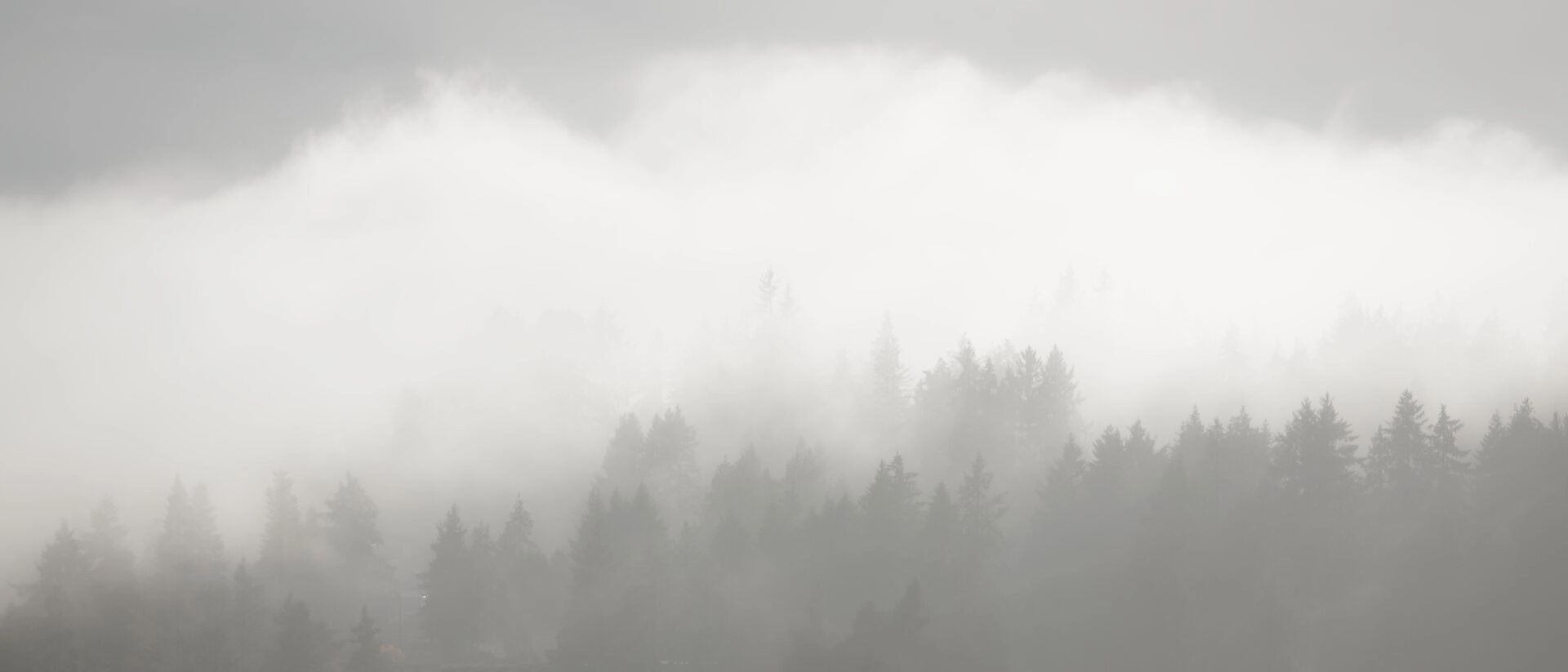
Instead, prioritize flights at the break of day. Dawn provides some of nature’s most mysterious visual conditions. Morning mist hanging suspended over forest canopies or drifting across still water creates a painterly layer of depth when viewed from above. By ascending just above this delicate layer, you can isolate islands of pine tops breaking through a sea of white fog, illuminated by the first warm rays of sunrise.
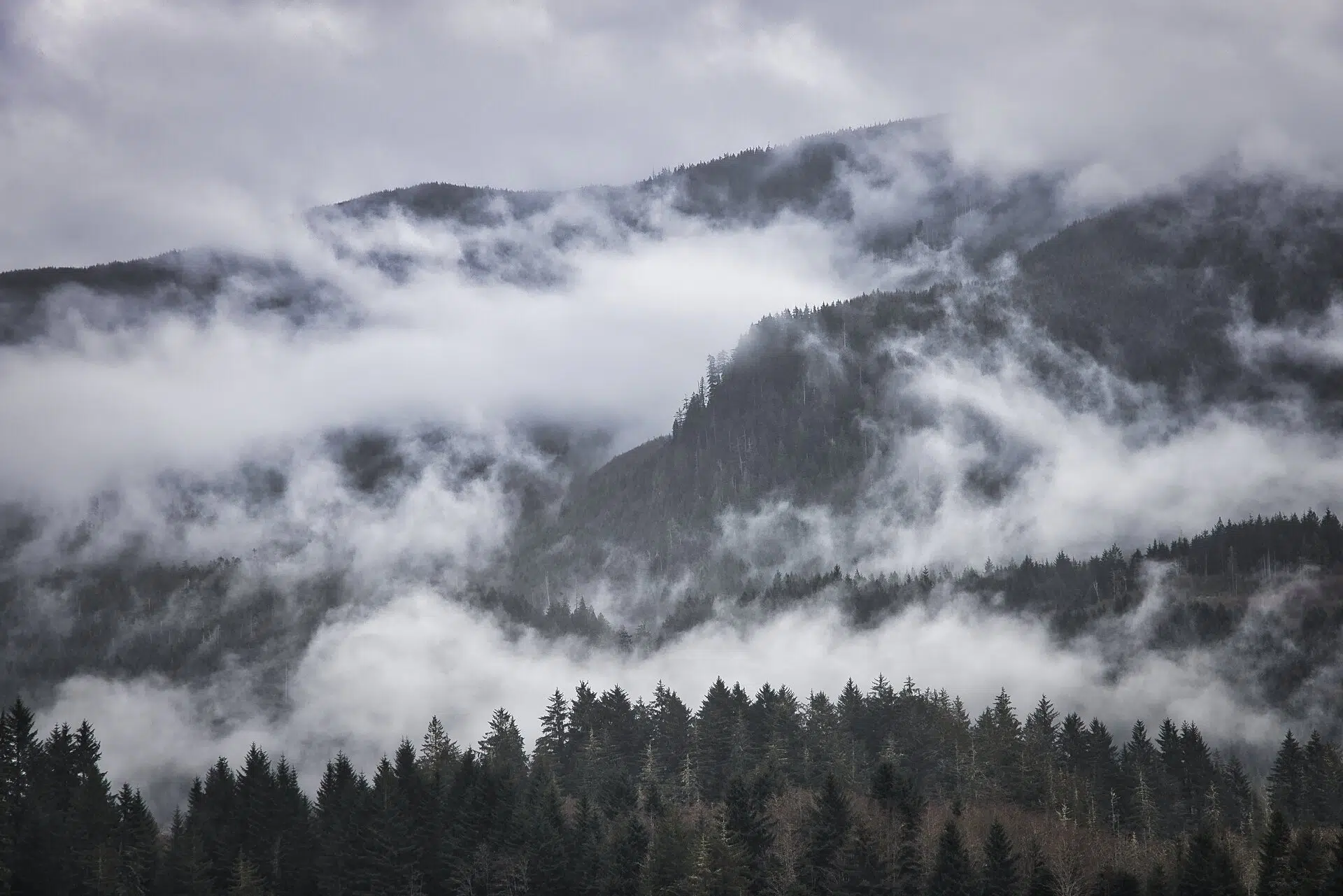
Equally, partially cloudy or overcast evenings offer extraordinary artistic rewards. A heavy cloud deck functions as a giant natural softbox, diffusing harsh light and revealing soft tonal gradations. When golden hour light breaks through gaps in a dark cloud layer, it projects dramatic spotlights onto the land, generating powerful chiaroscuro effects across the terrain.
Before leaving your vehicle, consult specialized aviation meteorological tools like UAV Forecast. Pay critical attention to two variables: wind speeds at target altitude (which are significantly higher than ground-level breezes) and the dew point spread, which allows you to accurately predict the formation of morning ground fog.
III. Redefining Perspective: Framing Angles
One of the most common pitfalls when operating an aerial platform is flying too high. Climbing to maximum allowable altitude frequently converts a majestic landscape into a flat, abstract map lacking depth. To build compelling compositions, you must learn to sculpt three-dimensional space using the unique capabilities of modern platforms like the DJI Mini 5 Pro.
Focus on mastering three fundamental angles:
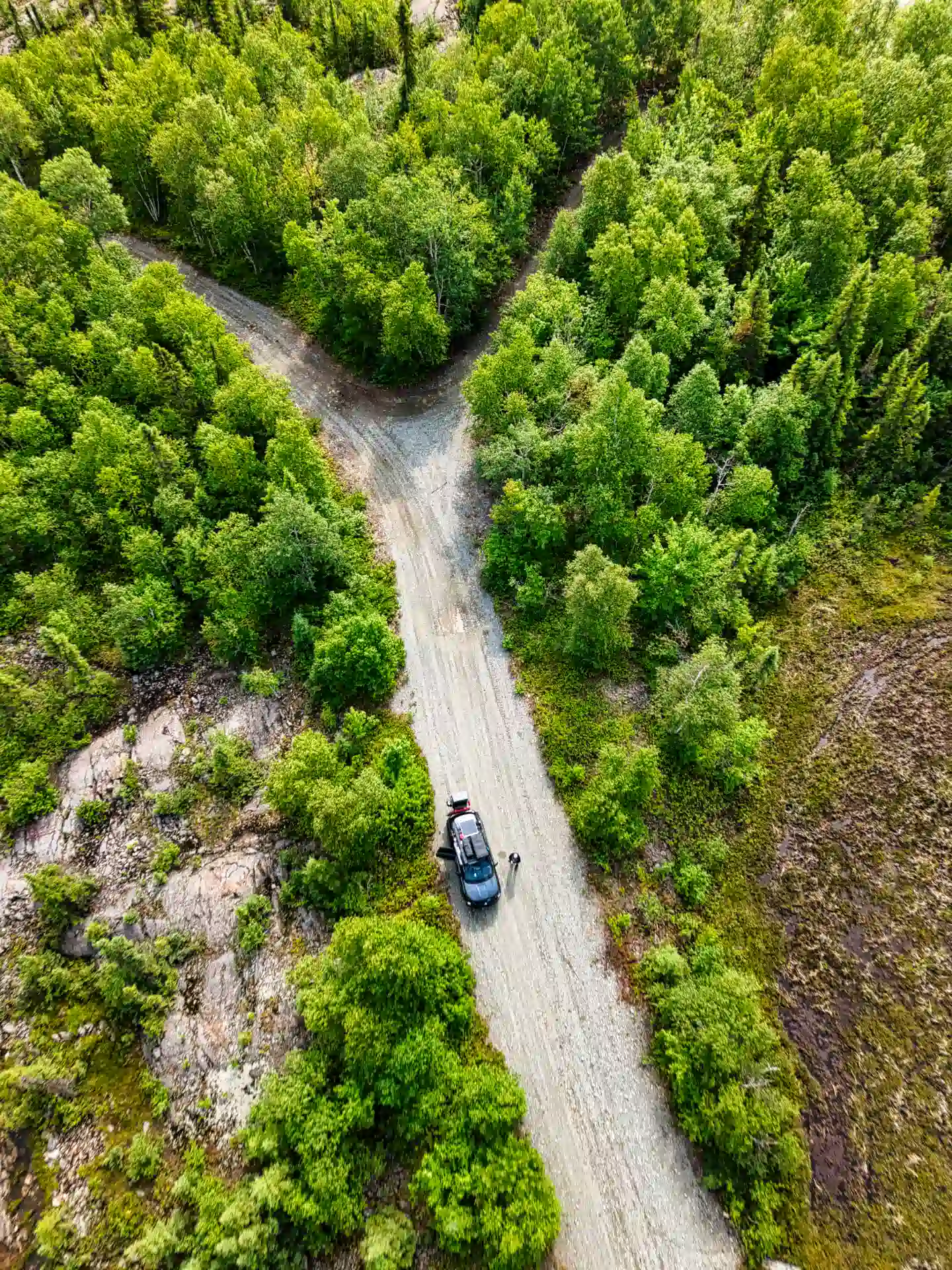
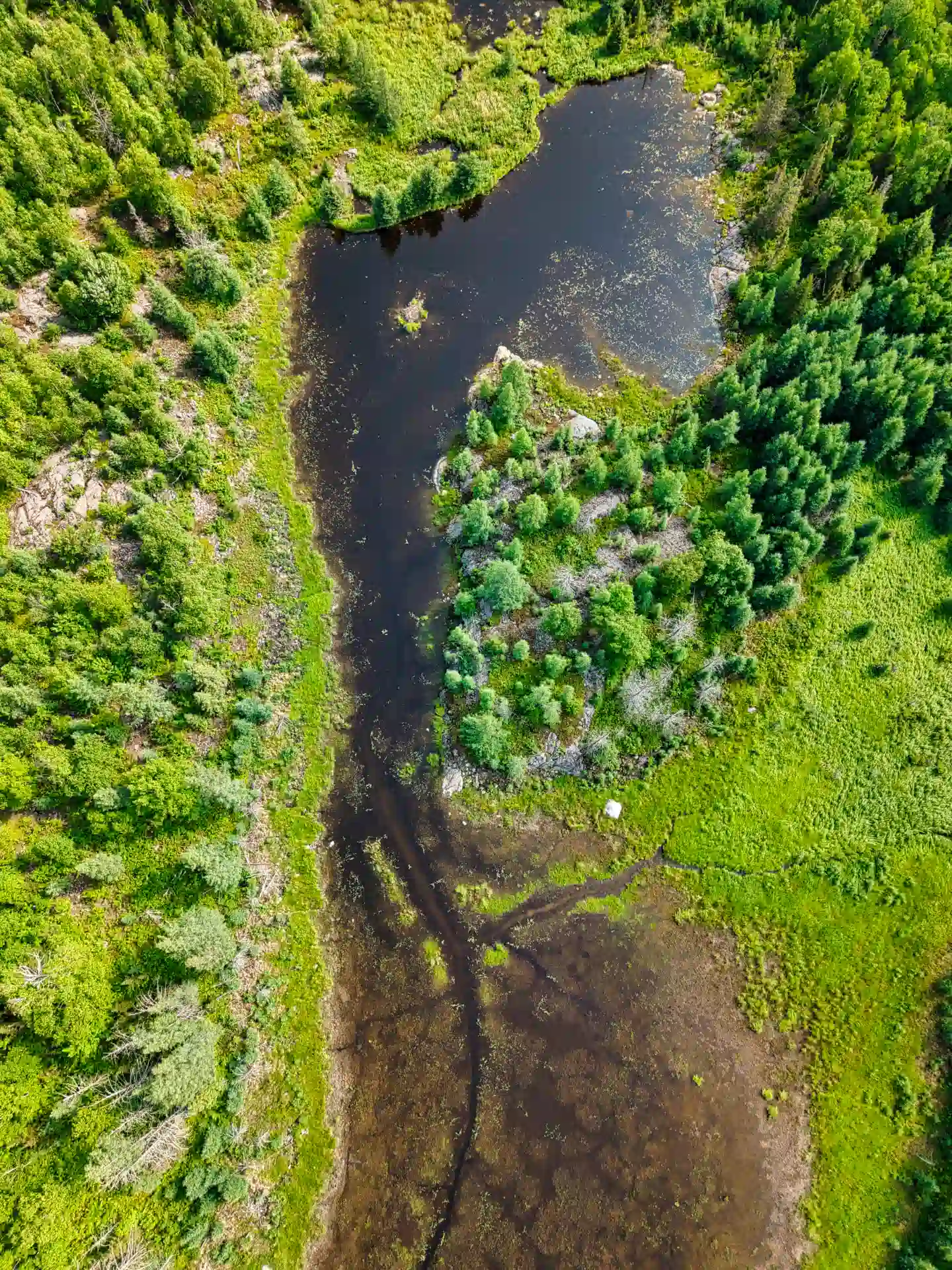
1. The Zenith View (90° Top-Down): Tilting the camera gimbal directly perpendicular to the earth transforms the landscape into pure graphic design. Winding backcountry roads become bold leading lines, waves crashing against granite shorelines turn into organic textures, and the elongated shadows of trees draw a secondary, surreal landscape onto the ground below.
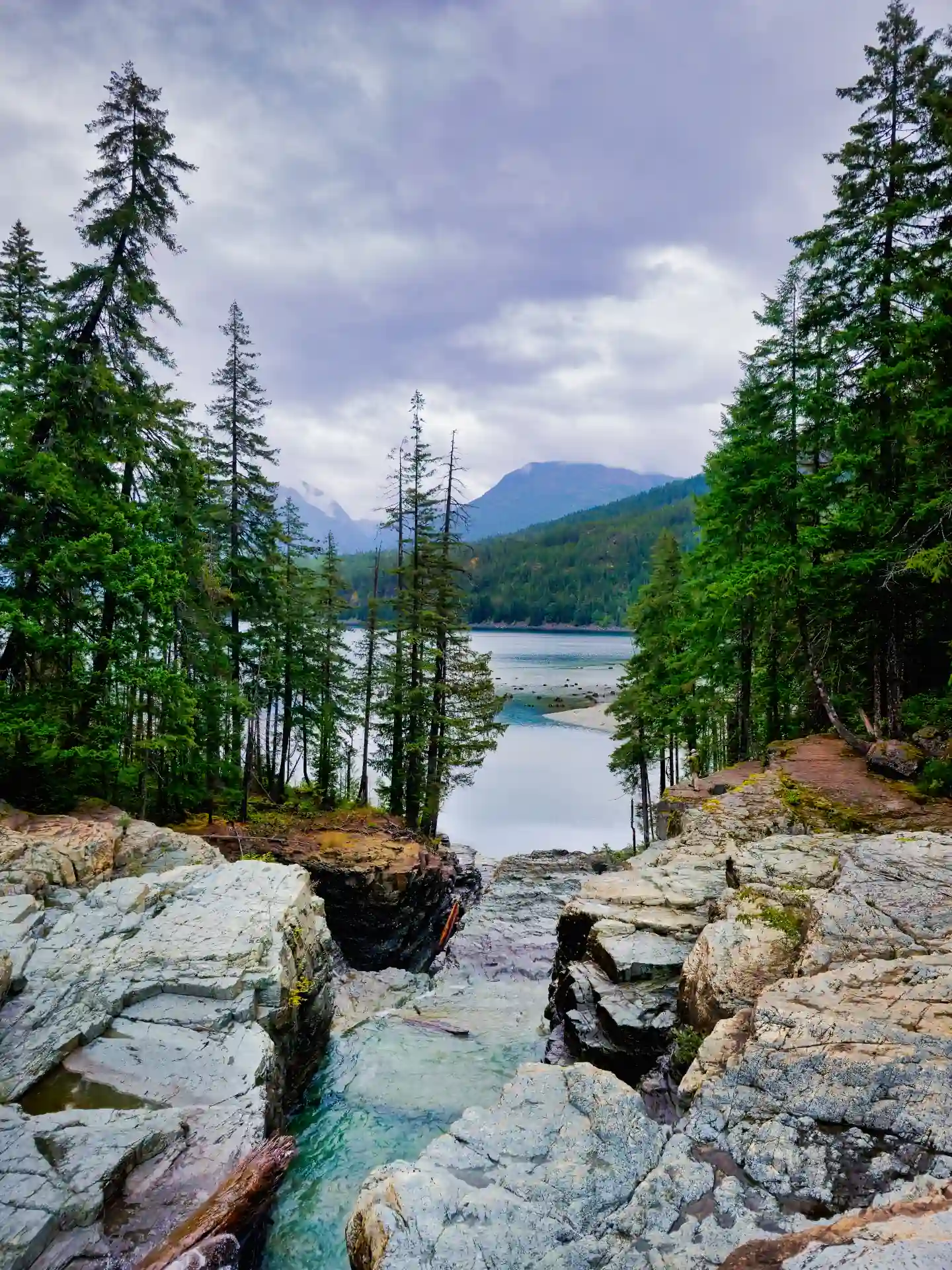
2. Low-Altitude Perspective (Ground-Proximity): Resist the temptation to gain altitude unnecessarily. Flying at altitudes between 2 and 5 meters creates incredible intimacy. Modern obstacle avoidance systems allow lightweight drones to navigate low-altitude foregrounds with precision. Placing rocks, tall grasses, or water in the immediate foreground introduces a profound sense of scale and immersion that high-altitude shots lack.
3. True Vertical Framing: A major advantage of advanced compact drones is native vertical gimbal rotation. This feature is far more than a tool for mobile screen feeds; it is a fundamental composition tool. Vertical orientation allows you to capture the full stature of ancient trees, the unbroken drop of a waterfall, or the leading lines of a river winding toward the horizon.
Explore the Wilderness
Are you seeking custom aerial imagery, authentic outdoor storytelling, or fine art landscape prints? Let's collaborate on your next vision.
Get in TouchIV. Augmented Exploration: Reading the Land
Beyond pure camera mechanics, incorporating a drone into your photographic process fundamentally changes how you interact with nature. Aerial photography should never be a sedentary activity executed from the driver's seat of a parked vehicle; it thrives when combined with the physical discipline of hiking and exploration.
When walking a ground-level trail, your field of view is constrained by physical obstacles—dense tree lines, rock faces, and ridgelines. The drone serves as an elevated scout, extending your visual curiosity beyond physical barriers. A routine hike along a rocky riverbank takes on a completely new meaning when you discover intricate water channels or geological patterns situated just beyond the tree line.
Carrying a lightweight aircraft in your pack forces you to read the landscape with greater awareness. You begin to map out light trajectories, analyze how watercourses shape valleys, and observe how shadows fall across the terrain as the sun lowers. This deep geographic familiarity directly enriches your artistic eye, turning an ordinary walk in the woods into a deliberate quest for visual structure.
V. The Art of Minimalist Aerial Composition
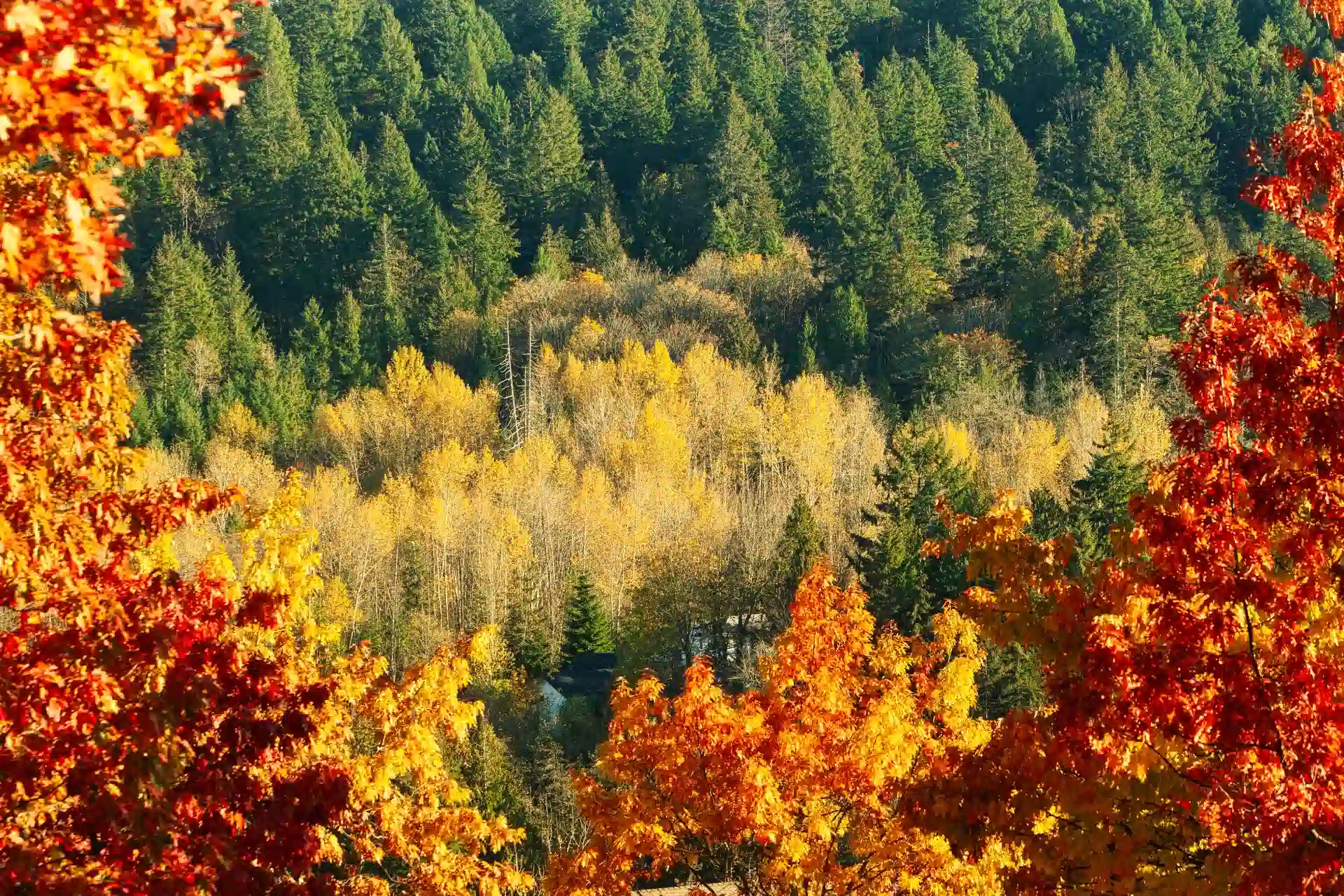
Because an airborne perspective reveals vast amounts of information, the greatest challenge in aerial composition is avoiding visual clutter. Great drone photography relies heavily on subtraction—removing unnecessary elements until only the core subject and its supporting shapes remain.
Look for natural contrast and negative space. A single kayak on a calm lake, a lone pine tree standing on a misty ridge, or a simple contrast between dark rock and white foam creates a far stronger emotional impact than an overcrowded landscape. Use negative space—such as fog, smooth water, or uniform shadow—to give your primary subject room to breathe.
VI. Conclusion: Taking to the Skies
Aerial drone photography represents far more than a technological evolution; it is an open invitation to renew our sense of wonder before the natural world. By streamlining your workflow around core essentials—rigorous pre-flight preparation, an intentional search for subtle morning mist or moody cloud formations, and an active exploration of varied flight altitudes—you will experience a rapid transformation in the artistic quality of your imagery.
Always remember that the aircraft is merely an instrument serving your personal creative vision. Systems like the DJI Mini 5 Pro provide unprecedented access to the skies, but it is your patience, your understanding of light, and your willingness to wait for the fog to part that ultimately breathes soul into a photograph.
The next time you pack your camera gear for a journey into the wild, view your drone not as an added technical burden, but as a lightweight, liberating companion. Step outside, breathe the mountain air, walk the forest trails, and let height reveal the quiet poetry hidden within our landscapes. The earth is an expansive canvas waiting to be witnessed from a new perspective. Go out and capture your vision of the horizon.